




What riders say about our halters
The halter fits really well and is easy to adjust precisely. Even after wearing it for a long time, nothing chafes.
— Trusted Shops Review
Ordered yesterday and it already arrived today. It was lovingly packaged and the color looks even more beautiful in person.
— Trusted Shops Review
The material feels soft yet sturdy. We use it daily and it still looks great after several weeks.
— Customer review for the Biothane halter
Fast delivery, great workmanship, and finally a halter that doesn't constantly slip. I would order this again anytime.
— Trusted Shops Review

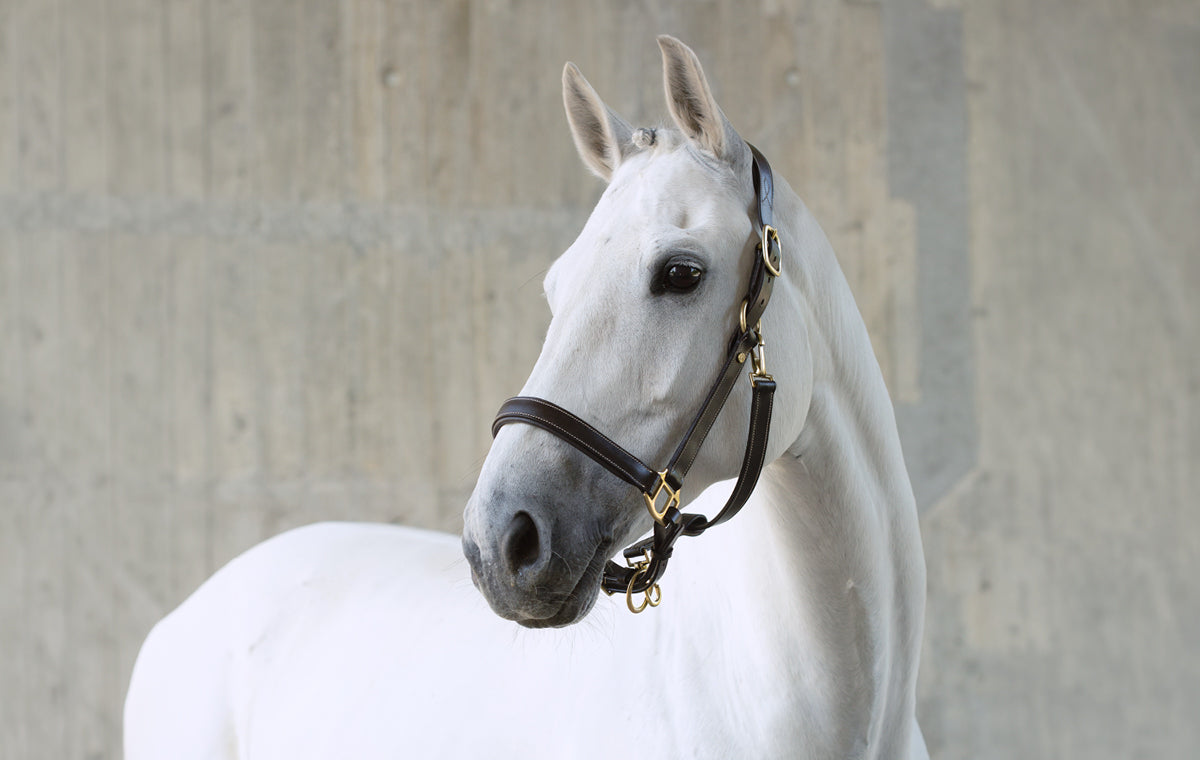
The right halter for your horse: Safe handling without chafing or slipping
A halter accompanies your horse almost daily in the stable, during transport, or at a show. If it fits too tightly, it can chafe and cause uncomfortable pressure. If it is too loose, it slips while leading or can slide over sensitive areas. A well-fitting horse halter rests calmly on the head, allows sufficient freedom of movement, and supports safe handling during grooming, leading, and transport. But which size is correct, and which model is suitable for your daily routine? We will show you what matters when making your choice.
Which halter is suitable for which purpose?
Depending on the situation, a halter must meet different requirements. You should consider these areas of use when making your selection:
- Daily stable routine: An uncomplicated, easily adjustable halter is suitable for leading, tying up, and daily handling.
- Grooming and washing: Easy-care materials are practical if the halter regularly comes into contact with dust, dirt, or water.
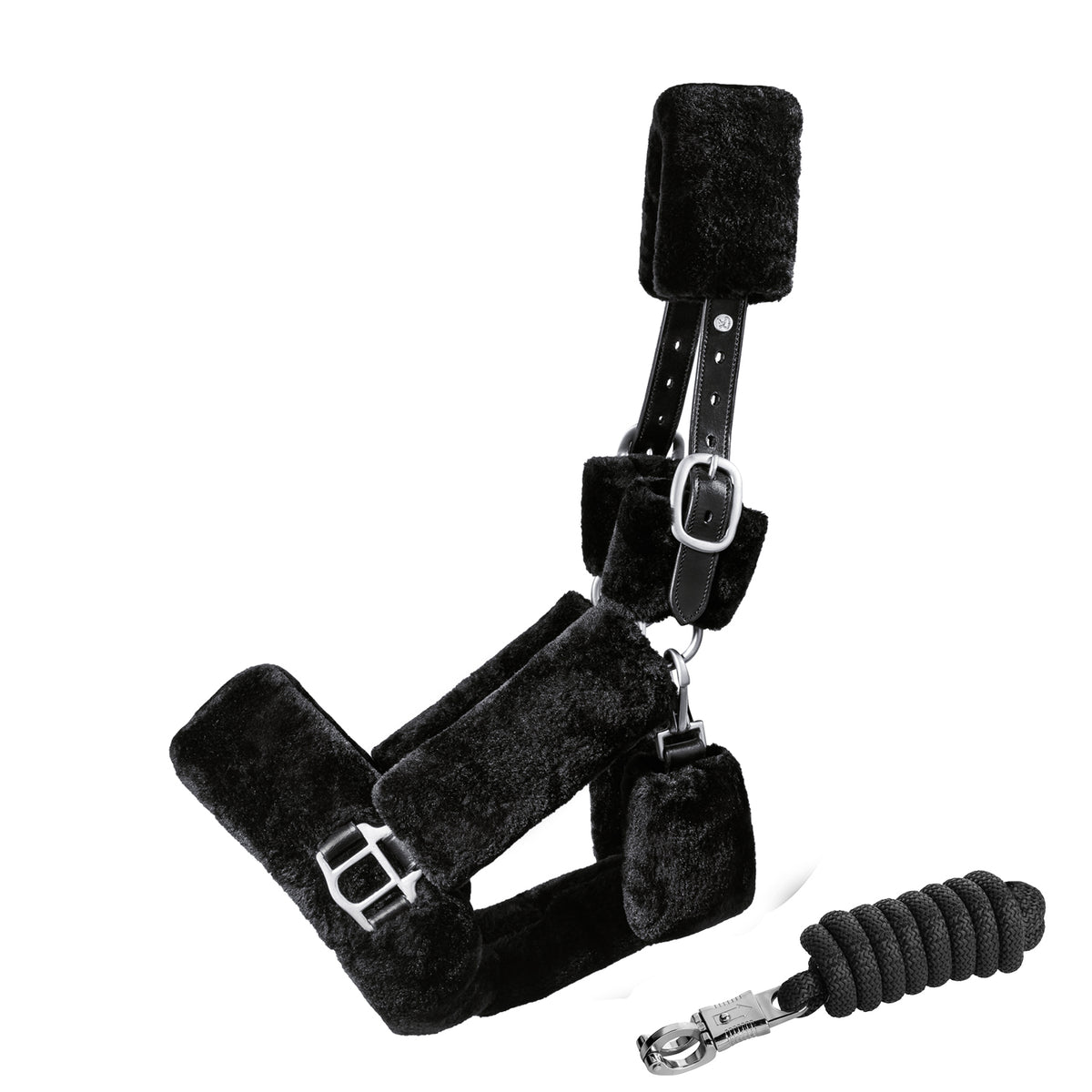
- Transport and competitions: A padded horse halter offers extra comfort on longer journeys and should fit reliably on the head.
- Paddock and pasture: Only a model with a safety function suitable for this purpose should be used here, as the halter can get caught.
- Sensitive horses: Softly padded contact surfaces can reduce friction on the poll, nose, and cheeks.
The benefits of our horse halters
Our halters are designed for all daily handling routines with your horse. Practical details simplify their use and ensure that you can reliably lead your horse in various situations.
Quickly created
Easily accessible closures make it easier to put on and take off, even when things need to be done quickly in the stable.
Flexibly adjustable
Adjustable straps allow for a more precise fit for different head shapes and growth stages.
Quiet location
A balanced cut helps keep the halter in a stable position while leading.
Comfortable contact surfaces
Padding on areas subject to pressure makes the halter more comfortable, even when worn for longer periods.
Reliable fittings
Sturdy buckles and rings withstand the recurring stresses of leading and tethering.
Versatile
Our halters accompany you while grooming, loading, transporting, and in many other everyday situations.

Why we choose these materials for our halters
A horse halter is touched, opened, closed, and subjected to various stresses every day. That is why we choose materials that sit comfortably on the horse's head while also being stable, reliable, and durable.
Our halters are made from high-quality leather or resilient BioThane. Leather impresses with its supple feel and dimensionally stable construction. BioThane is water-repellent, easy to care for, and resistant to dirt and moisture. Sturdy metal fittings and carefully crafted connections ensure reliability in daily use for both versions.
Frequently Asked Questions (FAQ) about Horse Halters
What size halter does my horse need?
The size is based on head length and head circumference. Common sizes are Pony, Cob (Thoroughbred), and Full (Warmblood), though these may vary by model. Therefore, please also use the size chart.
How should a horse's halter fit?
The halter should sit comfortably without restricting. The noseband belongs above the sensitive nostrils, while the cheek pieces and headpiece must not slide into the eyes or onto the ears.
What is the difference between a halter and a rope halter?
A stable halter has wide straps and is suitable for daily handling. A rope halter has a more localized effect and belongs exclusively in experienced hands. It is not suitable for unsupervised wear or for tying up.
How do I clean a horse halter properly?
Regularly remove loose dirt with a brush or a damp cloth. Whether the halter can be washed depends on the material, padding, and care instructions.
Which lead rope goes with a halter?
A lead rope should feel comfortable in the hand, be sufficiently long, and have a sturdy fastener. With a matching SUNRIDE lead rope, you get a coordinated combination for the stable and transport.