
SUNRIDE Herb Lexicon
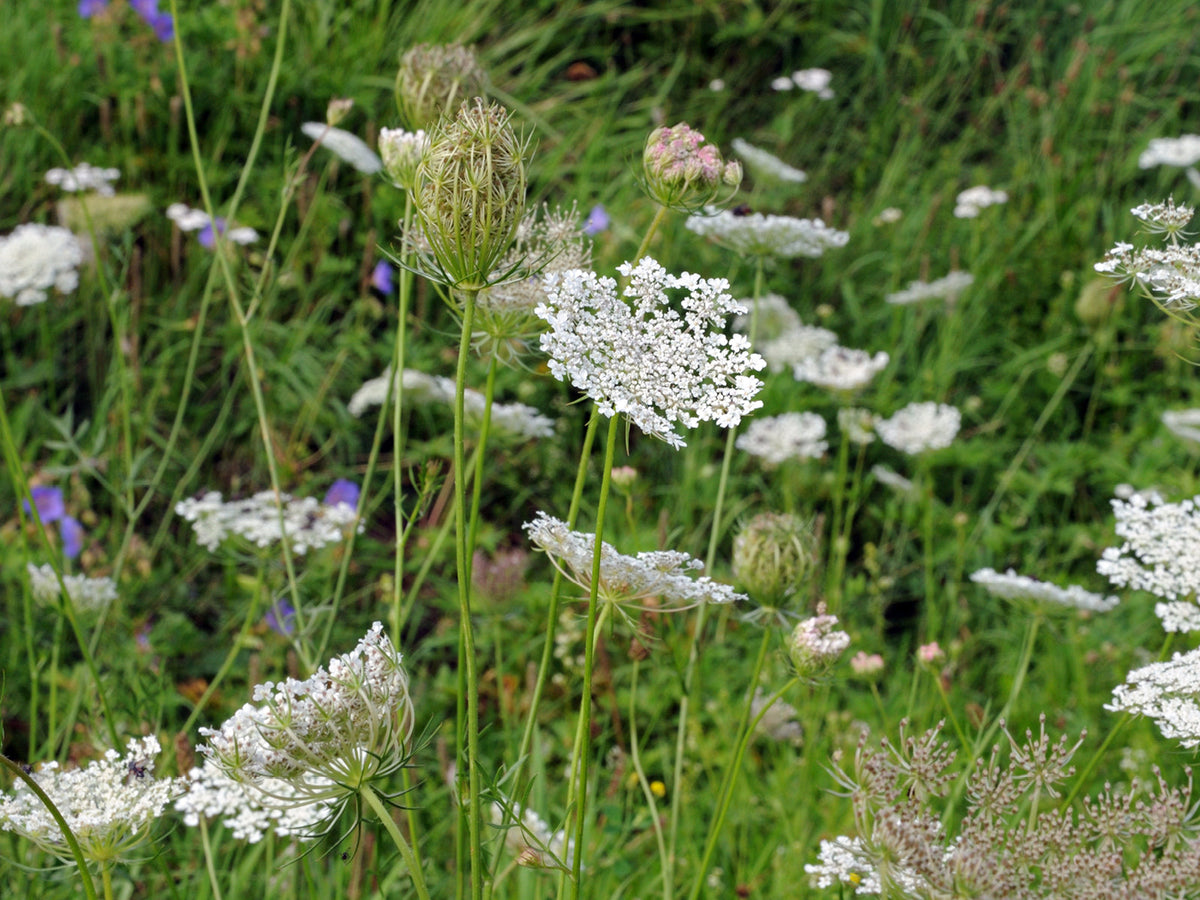
Wild carrot is considered safe for horses, but must be reliably distinguished from poisonous umbellifers like hemlock.
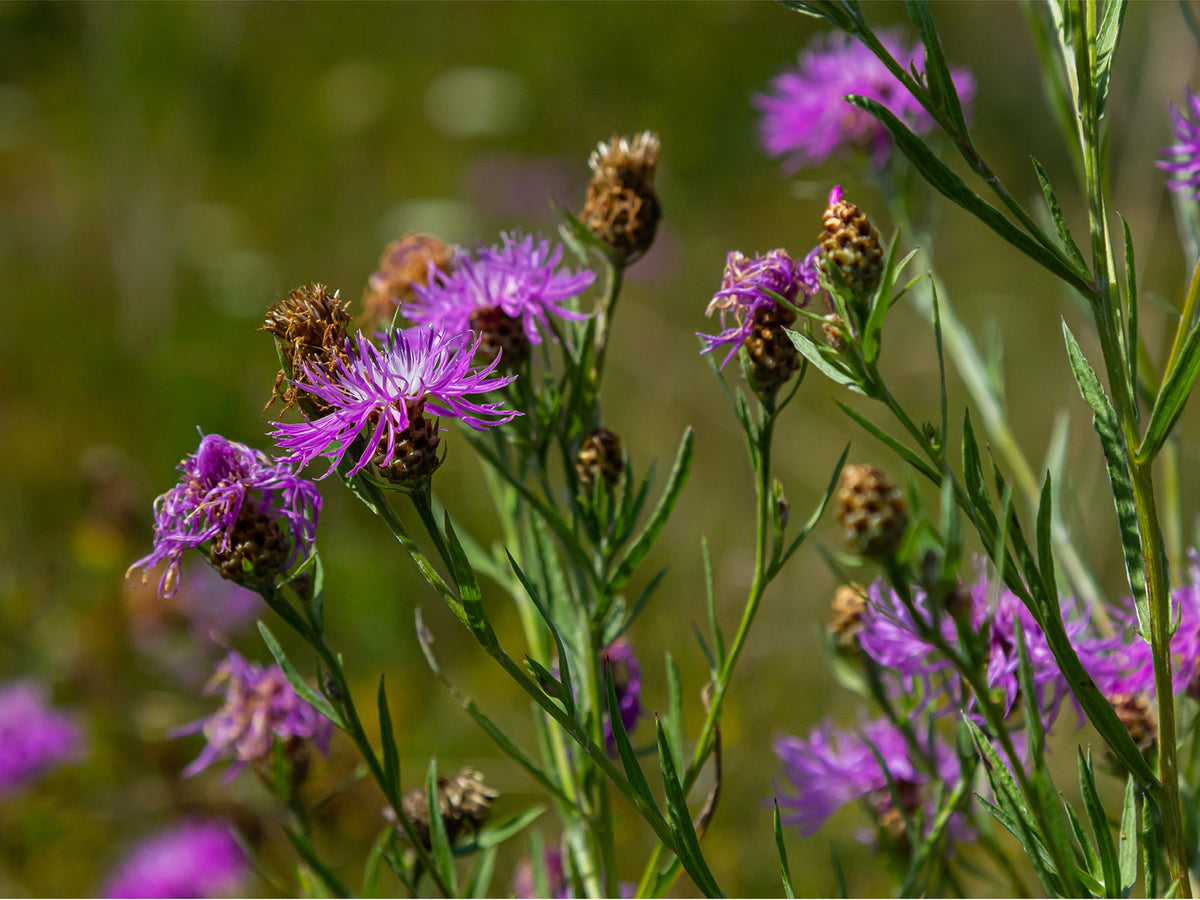
Brownray knapweed (Centaurea jacea)
Brown knapweed is considered unproblematic for horses in normal amounts and can be a component of species-rich meadows and hay.

White clover (Trifolium repens)
White clover can be part of a horse pasture, but due to its high nutrient content, it should not dominate the vegetation.

Chicory is primarily used in horses to support digestion, intestinal flora, and metabolism.
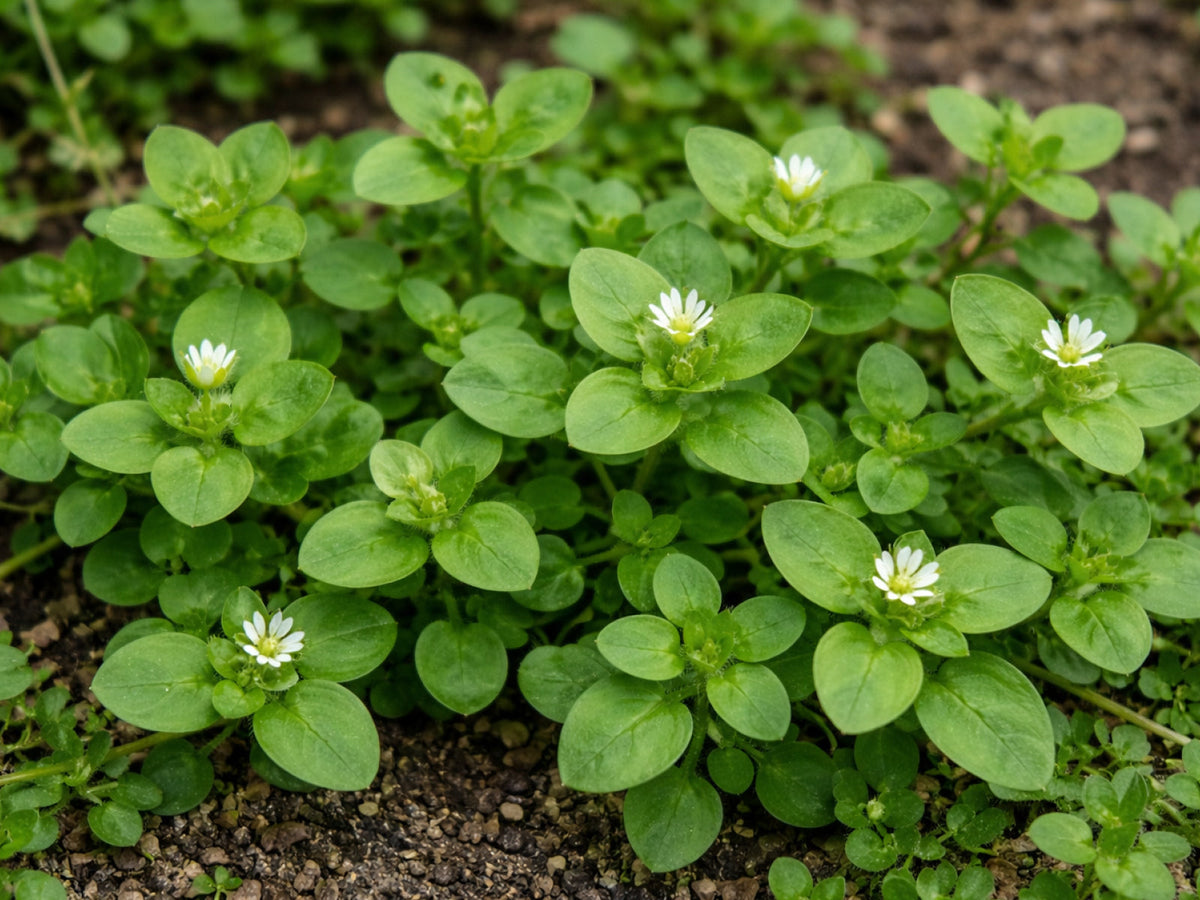
Common Chickweed (Stellaria media)
Chickweed is a mild meadow herb that horses can consume fresh or dried in small quantities.
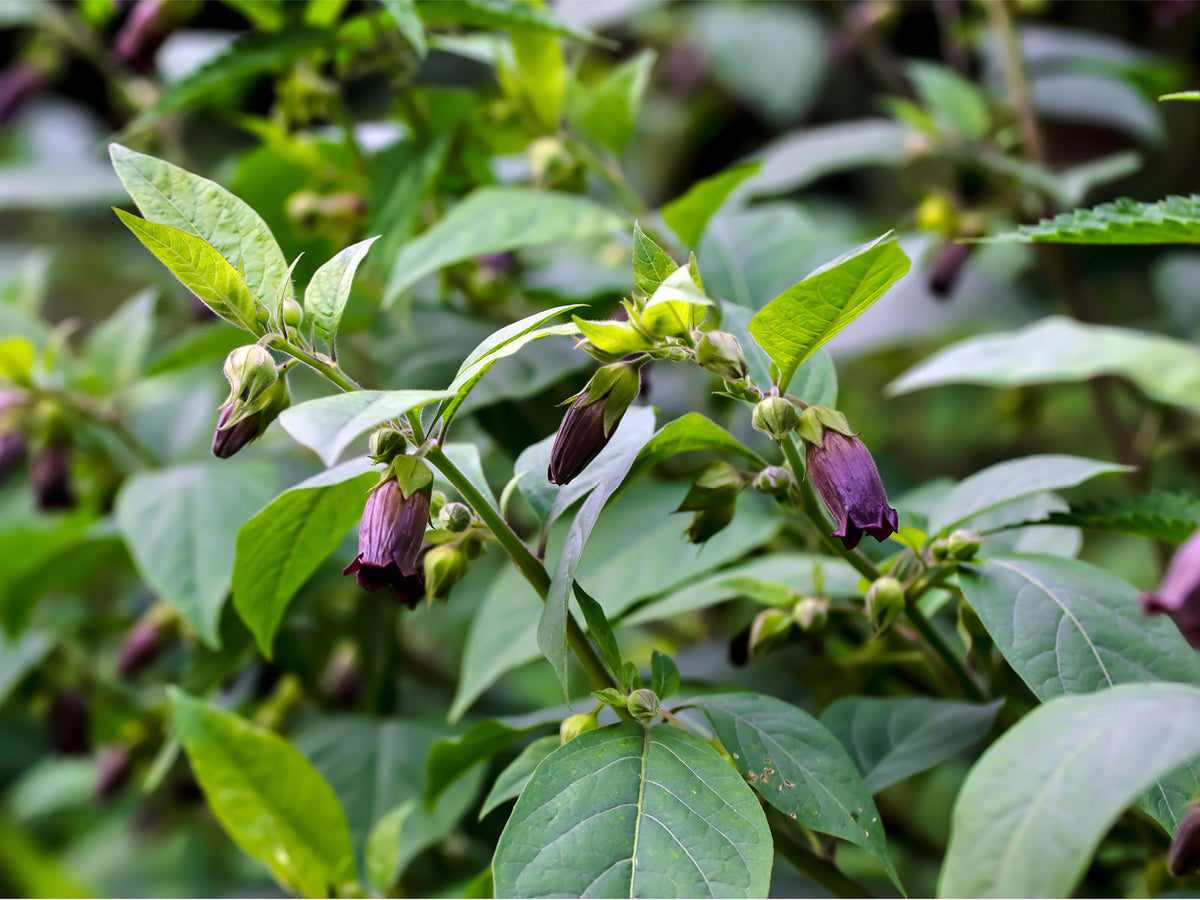
Deadly nightshade (Atropa belladonna)
Deadly nightshade is highly toxic to horses and can cause severe disorders of the nervous system, heart, and circulation.
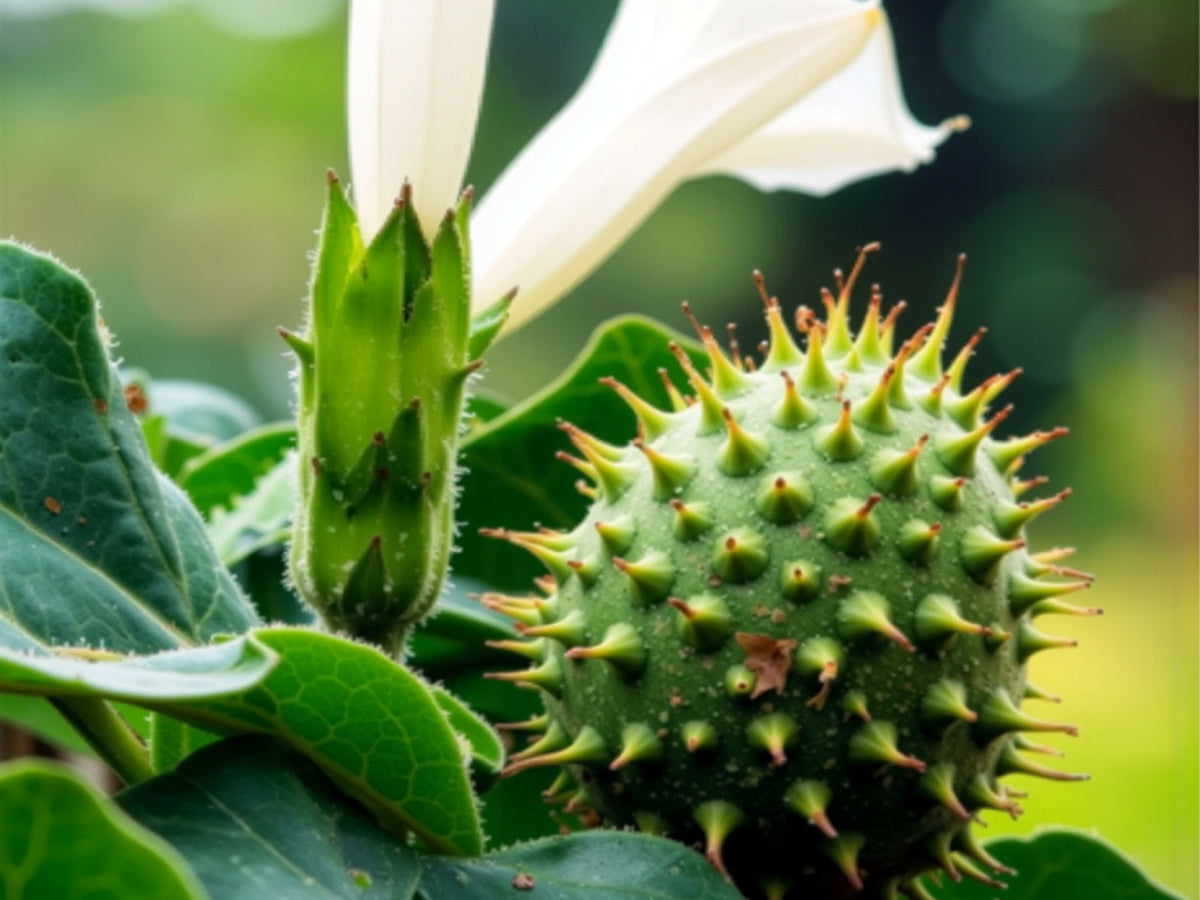
Jimsonweed (Datura stramonium)
Jimsonweed is highly toxic to horses and can cause severe disorders of the nervous system, heart, and circulatory system.
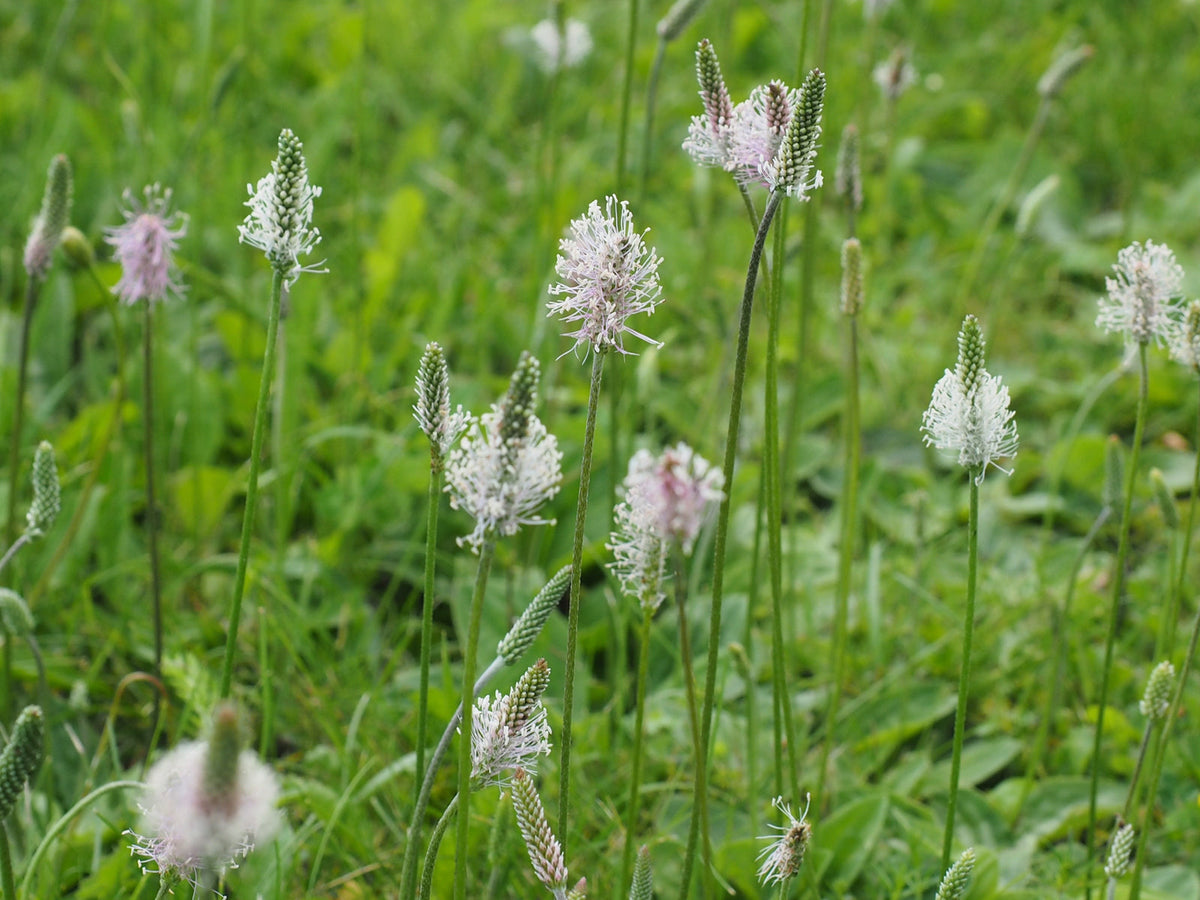
Ribwort plantain (Plantago lanceolata)
Ribwort plantain is primarily used in horses to support the respiratory tract and irritated mucous membranes.
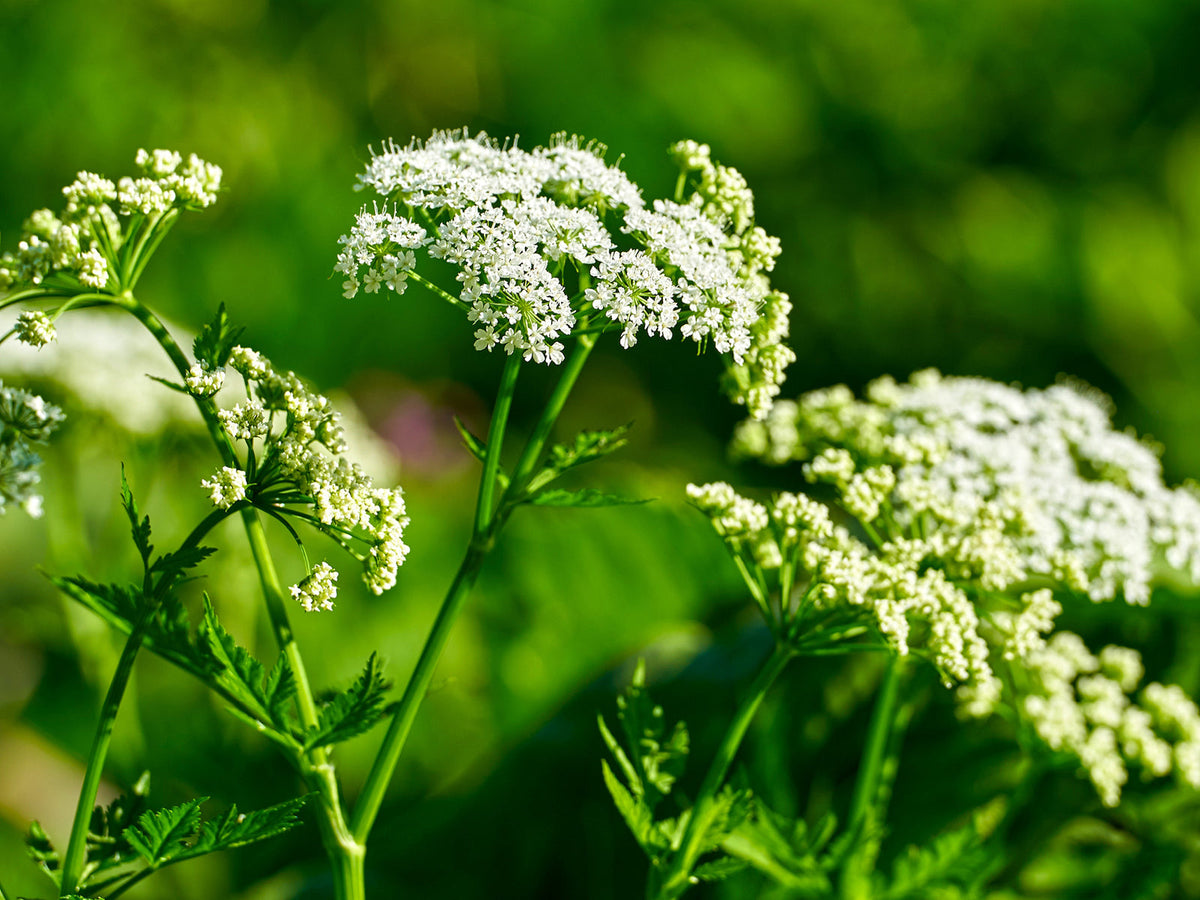
Poison hemlock (Conium maculatum)
Poison hemlock is highly toxic to horses and can cause severe paralysis as well as life-threatening respiratory problems.