


Which blanket fits?
Make the right choice quickly with our ceiling consultant.





Hook&Hold


What riders say about our horse rugs
Finally a rug that fits well at the front and doesn't pull across the shoulders. Even after rolling, it stays exactly where it belongs.
— Trusted Shops Review
The rain rug has already been through several proper rainy days and everything underneath stayed dry. I am really satisfied.
— Customer review for the 50g rain rug (Dublin)
Super fast delivery and beautifully packaged. The blanket makes a sturdy impression and the color is exactly as shown in the pictures.
— Customer review for the 100g winter blanket (Stockholm)
We now have a rain rug and a sweat rug from SUNRIDE. Both fit in the usual size and are easy to handle.
— Trusted Shops Reviews


Choosing the right horse blankets: considering weather, stabling, and warmth requirements
From rain protection in the pasture to drying off after training, every horse rug fulfills a clearly defined purpose. Which version your horse needs depends on its living conditions, coat condition, clipping, activity level, and individual warmth requirements. Wind, wet weather, changing temperatures, and insects also influence your selection. Filling, water column, and breathability then help you to specifically tailor the rug's function to the intended use.
Which horse rug is suitable for which purpose?
Each type of blanket serves a specific purpose. Therefore, choose first based on the intended use and then based on warmth requirements and features:
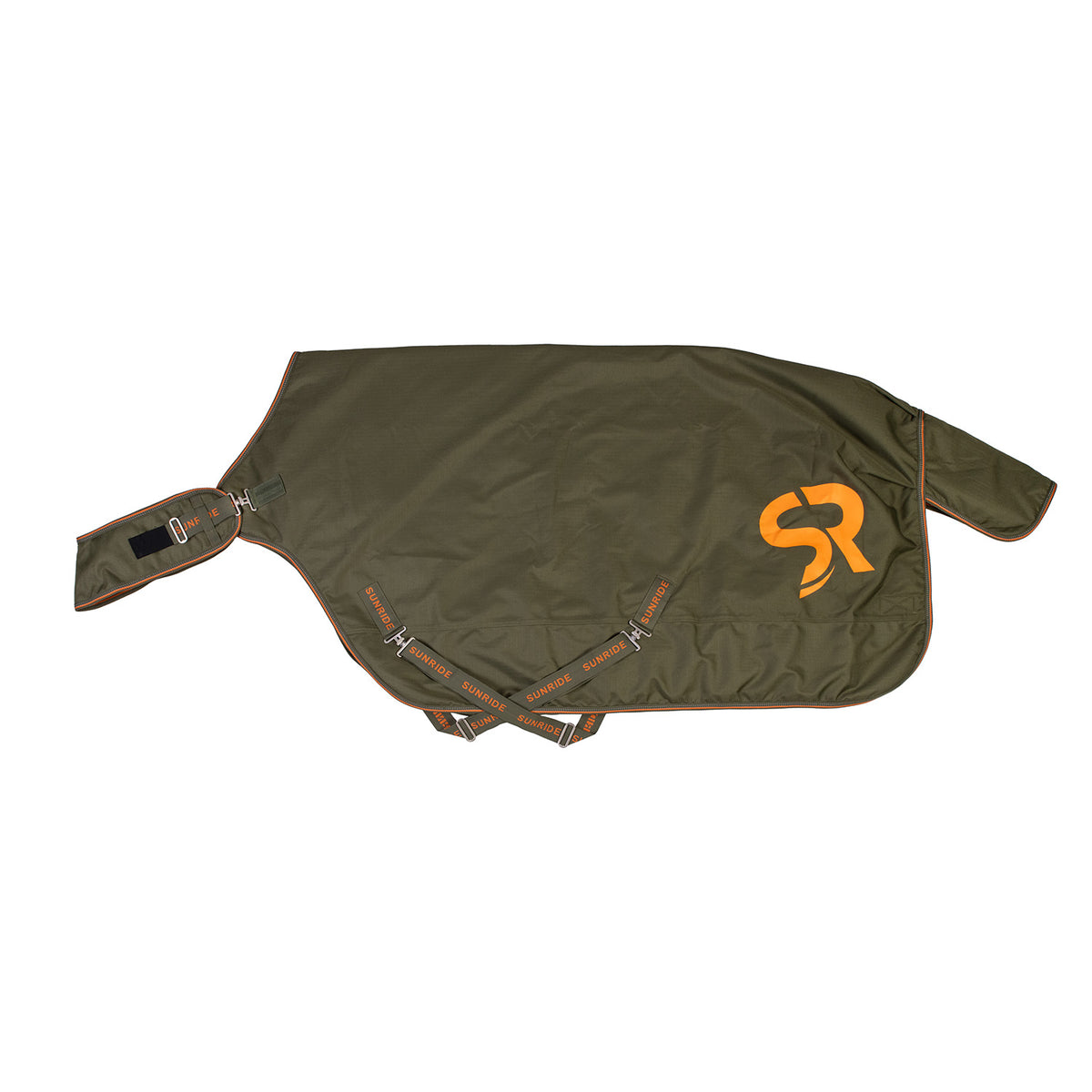
- Rain and outdoor rugs: Waterproof outer materials provide protection from rain and wind in paddocks and pastures. Unlined versions offer weather protection without extra warmth.
- Winter rugs: An insulating filling provides additional thermal protection in low temperatures. The appropriate weight depends, among other things, on clipping, stabling, coat, and weather conditions.
- Stable and under rugs: Stable rugs provide warmth in sheltered areas. Under rugs extend the thermal performance of a compatible top rug and make blanket management more flexible.
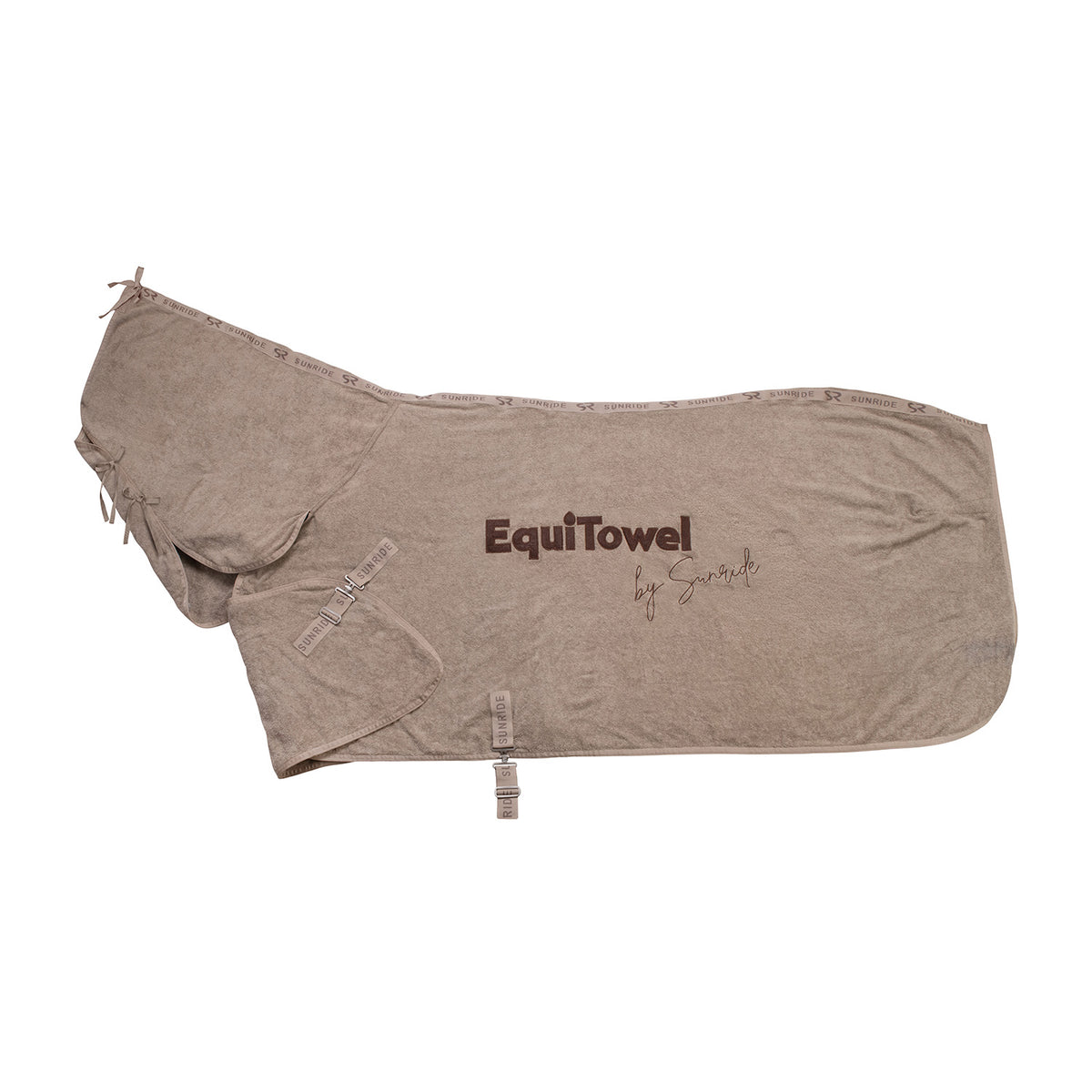
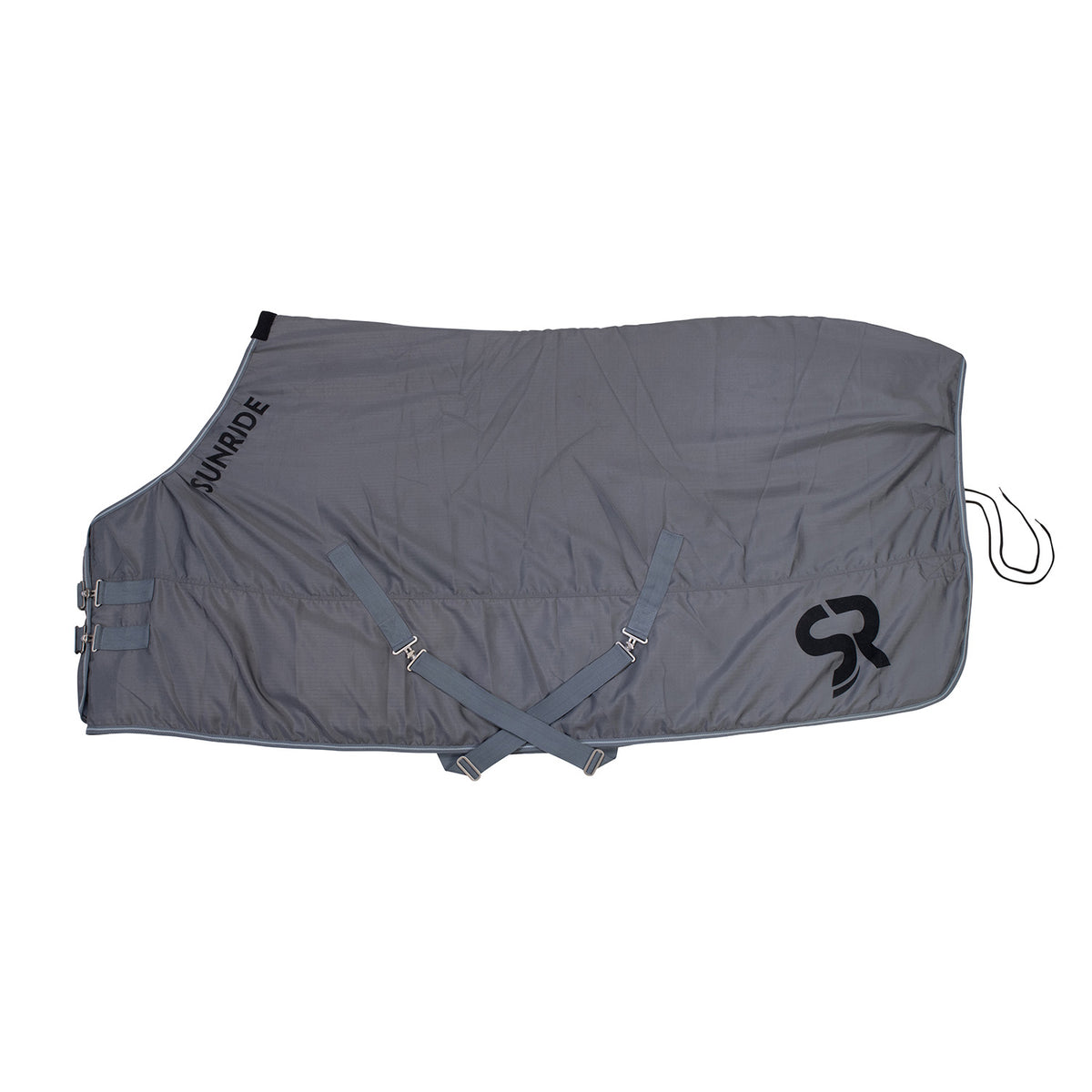
- Sweat and terry cloth rugs: Sweat rugs transport moisture vapor to the outside. Terry cloth rugs absorb larger amounts of moisture directly and are particularly suitable after washing or hosing down.
- Fly and eczema rugs: Lightweight, tight-knit materials form a mechanical barrier against insects. Eczema rugs additionally cover particularly vulnerable areas of the body with as few gaps as possible.
What a well-chosen horse rug can achieve
A good horse rug fulfills a clearly defined task while taking the horse's natural protective mechanisms into account. Fit, material, and thermal performance must therefore always be considered together.
Preservation of the insulating fur layer
Wet and wind can impair the insulating layer of air in the coat. A suitable outdoor rug keeps the coat dry and reduces heat loss in adverse weather conditions.
Demand-oriented heat output
The filling traps insulating air between its fibers. An appropriately chosen weight can specifically compensate for a lack of winter coat in clipped or cold-sensitive horses.
Targeted moisture transport
After training, evaporating moisture provides additional cooling. A functional sweat rug wicks water vapor away from the coat and supports controlled drying.
Free movement of the shoulder
The shoulder blade moves visibly back and forth beneath the skin. A well-thought-out cut with sufficient room in the chest and shoulder area prevents the rug from slipping or pulling backward with every step.
Less friction and pressure
A balanced fit distributes the rug's own weight more evenly. This relieves pressure on high-stress contact areas at the withers, chest, and shoulders.
Flexibly adjustable thermal insulation
With the Hook&Hold system, you can securely attach one or even two compatible SUNRIDE underblankets to the top blanket. This allows you to adjust the warmth level to changing conditions and save money by purchasing them as a set.

Why outer material, filling, and inner lining work together
For rain and winter rugs, the outer material determines how reliably the rug withstands weather and mechanical stress. The water column in millimeters describes the hydrostatic pressure the material can withstand in a test before water penetrates. Breathability in g/m²/24 h indicates how many grams of water vapor can pass through one square meter of material within 24 hours.
The denier rating describes the yarn thickness of the outer material, but on its own, it says nothing about waterproofness or breathability. A filling retains insulating air, while a smooth inner lining can reduce friction on the coat. It is only the coordinated interaction of these layers that turns individual material values into a functional horse rug.
Frequently Asked Questions (FAQ) about Horse Blankets
Which horse rug is suitable for which purpose?
Rain rugs protect against wet weather outdoors, winter rugs combine weather protection with extra warmth, and stable rugs are intended for dry indoor use. Fly rugs protect against insects, sweat rugs assist in drying after exercise, and exercise rugs provide warmth or protect the hindquarters while moving. The right rug therefore always depends first on the intended use.
How do I know if my horse is wearing the right rug?
Check regularly under the blanket, for example behind the withers. Your horse should feel comfortably warm and dry there. Sweating, damp skin, or excessive heat suggest too much insulation. Shivering, seeking shelter, or persistent signs of cold, on the other hand, may indicate insufficient thermal protection.
What rug weight does my horse need?
This cannot be determined solely by the outside temperature. Shearing, winter coat, age, body condition, housing, wind, rain, and individual sensitivity to cold also play a role. As a general guide, 0 to 100g is considered light, 150 to 250g medium, and 300g and above a heavier fill.
What is the difference between a rain rug and a winter rug?
A turnout rug protects against wind and wet weather and can be unlined. A winter rug additionally features a warming filling. If you mainly want your horse to stay dry, a turnout rug may be sufficient. If it also requires insulation, a lined winter rug is the more appropriate choice.
How do I know if a horse rug fits correctly?
The blanket should offer sufficient room at the chest and shoulders, not press on the withers, and remain stable during movement. It must neither pull strongly backward nor slip to the side. Chafing, tight closures, or roughened fur can be signs of an unsuitable size or fit.
When do I need a cooler, fly sheet, or exercise rug?
A sweat rug is used after work to wick moisture away from the coat and aid in drying. Fly rugs are primarily used during the warm season to protect against stinging and biting insects. An exercise sheet is used while riding and primarily protects the hindquarters in cold, windy, or wet weather.