
| Category | Saddle pads & pressure distribution |
| Definition | 3D-zone cushioning technology is a multi-layer system developed by SUNRIDE for targeted pressure distribution under the saddle. Three material zones with different structures each perform a specific function and work together to reduce strain, pressure peaks, and impacts on the horse's back. |
| How does 3D-zone cushioning technology work? | The system combines high-density memory foam, neoprene, and medium-density memory foam. Each layer reacts differently to pressure, movement, and impact. As a result, the acting force is not just absorbed at one point, but distributed and dampened across multiple levels. |
| Defender – Zone 1 | The Defender zone consists of high-density memory foam. It absorbs pressure peaks, distributes them over a larger area, and adapts to the movements of the horse and rider. Thanks to its shape-memory properties, the material returns to its original form after being under load. |
| Power Balancer – Zone 2 | The Power Balancer zone is made of neoprene and is primarily used for shock and vibration absorption. It absorbs rapid load peaks and supports a more even distribution of the forces acting during movement. |
| Aligner – Zone 3 | The Aligner zone is made of medium-density memory foam. It adapts particularly flexibly to the contours of the horse's back and combines stability with soft, adaptable padding. This is intended to distribute the load on the back muscles as evenly as possible. |
| Benefits | Through the interaction of the three zones, pressure, impacts, and kinetic energy are targeted and distributed. The goal is to achieve the most uniform contact possible under the saddle as well as greater comfort for the horse's back during riding. |
| Important to know | 3D-zone cushioning technology can support pressure distribution, but it does not replace a correctly fitted saddle. Crucial factors for the horse's comfort always remain the saddle fit, the positioning of the pad, and the horse's individual back. |
| Related terms | Memory foam, neoprene, pressure distribution, shock absorption, saddle pad, horse's back |
You might also be interested in this
Be inspired and find practical tips on the care, equipment, and health of your horse.

Wild carrot is considered safe for horses, but must be reliably distinguished from poisonous umbellifers like hemlock.
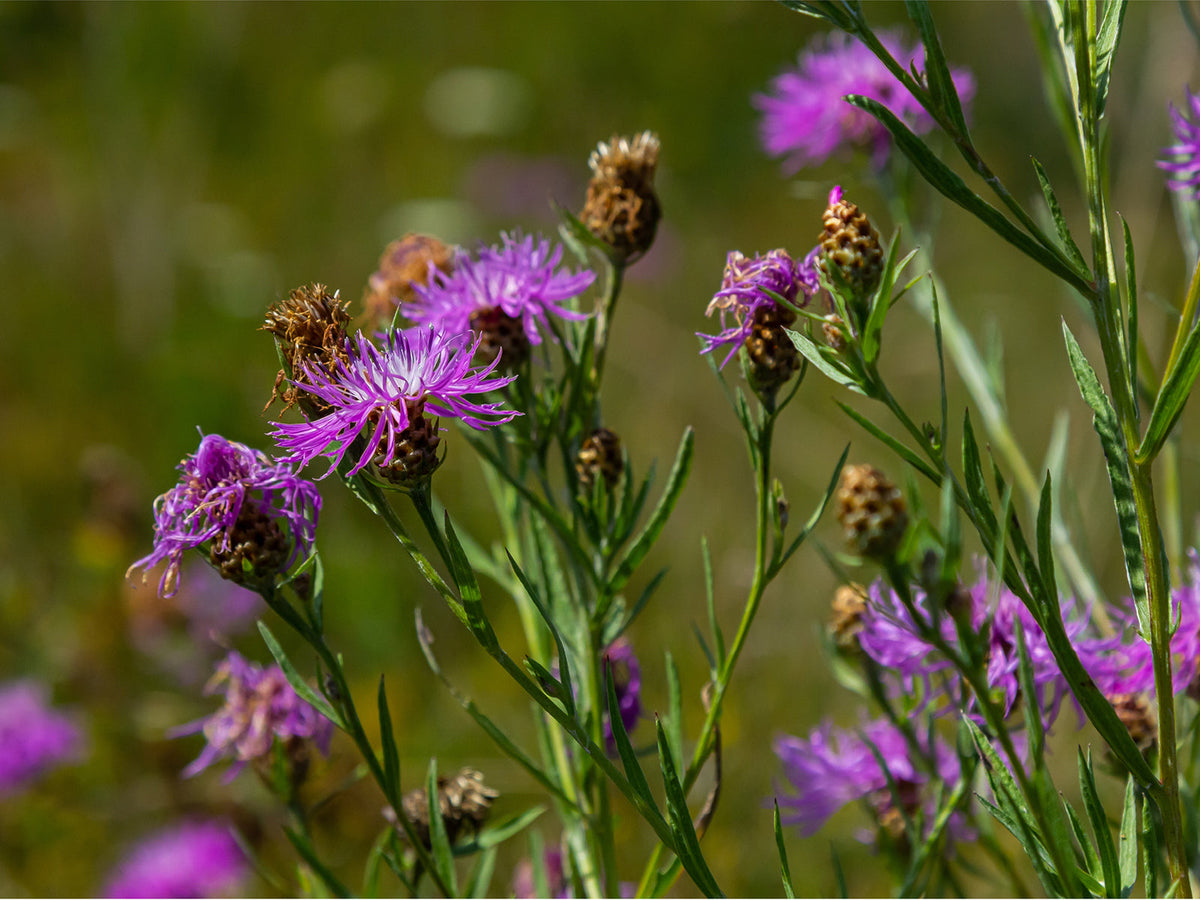
Brownray knapweed (Centaurea jacea)
Brown knapweed is considered unproblematic for horses in normal amounts and can be a component of species-rich meadows and hay.

White clover (Trifolium repens)
White clover can be part of a horse pasture, but due to its high nutrient content, it should not dominate the vegetation.
Share:
MagneticForce Security System