
| Category | Training & Riding Theory |
| Definition | In riding theory, collection refers to a state of training in which the horse bears more weight on its hindquarters, carries itself in balance, and thereby lightens the forehand. |
| Meaning & Function | Through increased weight-bearing of the hindquarters, the movement becomes more controlled, balanced, and expressive. The horse raises its frame and can respond to aids more subtly. |
| How is collection achieved? | Collection develops gradually through training. Prerequisites include rhythm, suppleness, contact, impulsion, and increasing carrying power of the hindquarters. It should not be achieved solely by shortening the strides or by using more hand pressure. |
| How can you recognize collection? | A collected horse appears more upright and balanced. The hindquarters step more actively under the body, the joints of the hind legs flex more, and the forehand appears lighter. The movements remain rhythmic and controlled. |
| Important to know | Collection does not simply mean that a horse is moving slowly or with short steps. The decisive factor is the actual weight-bearing of the hindquarters while maintaining activity, suppleness, and responsiveness. |
| Related terms | Contact, impulsion, responsiveness, hindquarter activity, self-carriage, carrying power |
You might also be interested in this
Be inspired and find practical tips on the care, equipment, and health of your horse.

Wild carrot is considered safe for horses, but must be reliably distinguished from poisonous umbellifers like hemlock.
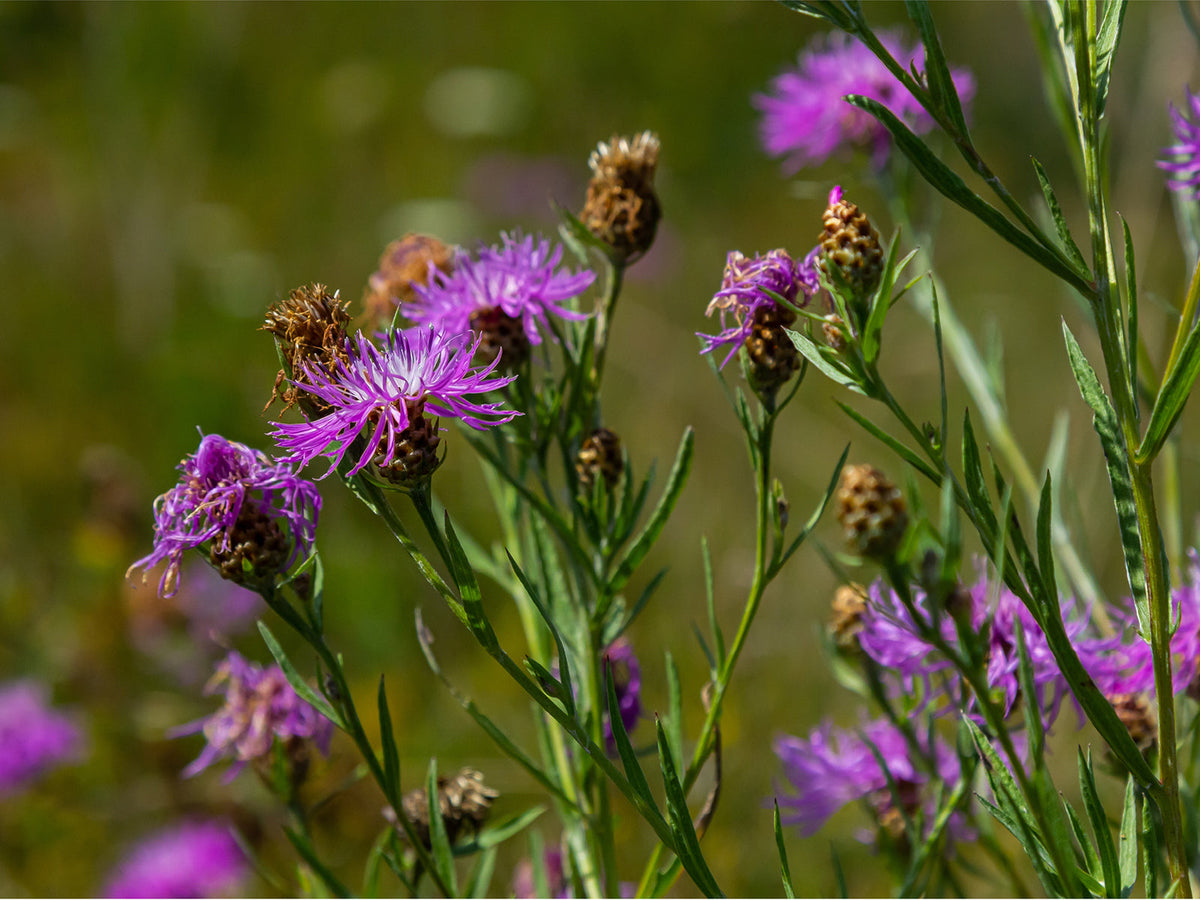
Brownray knapweed (Centaurea jacea)
Brown knapweed is considered unproblematic for horses in normal amounts and can be a component of species-rich meadows and hay.

White clover (Trifolium repens)
White clover can be part of a horse pasture, but due to its high nutrient content, it should not dominate the vegetation.
Share:
Curb bit
Hook&Hold