
| Term | Comfrey |
| Category | Herbs |
| Definition | Comfrey is a traditional medicinal plant primarily used externally for bruises, strains, and to support stressed joints. It is not suitable for internal feeding in horses. |
| Effects & Benefits | Comfrey contains, among other things, allantoin as well as tannins and mucilages. Traditionally, it is used externally to support regeneration in cases of blunt injuries, swelling, and a stressed musculoskeletal system. |
| Application | In horses, comfrey should only be used externally, for example as an ingredient in suitable ointments, gels, or compresses. It should not be mixed into feed on its own or fed as a tea. |
| Fresh or dried? | Neither fresh nor dried comfrey is recommended for internal use. The problematic ingredients remain fundamentally relevant even after processing. |
| Important to know | Comfrey contains pyrrolizidine alkaloids. These can damage the liver if ingested. Therefore, comfrey should not be used as a fodder herb for horses. External products should not be applied to deep or severely open wounds unless specifically intended for that purpose. |
| Related terms | Musculoskeletal system · Bruise · Strain · Liver · Pyrrolizidine alkaloids |
You might also be interested in this
Be inspired and find practical tips on the care, equipment, and health of your horse.

Wild carrot is considered safe for horses, but must be reliably distinguished from poisonous umbellifers like hemlock.
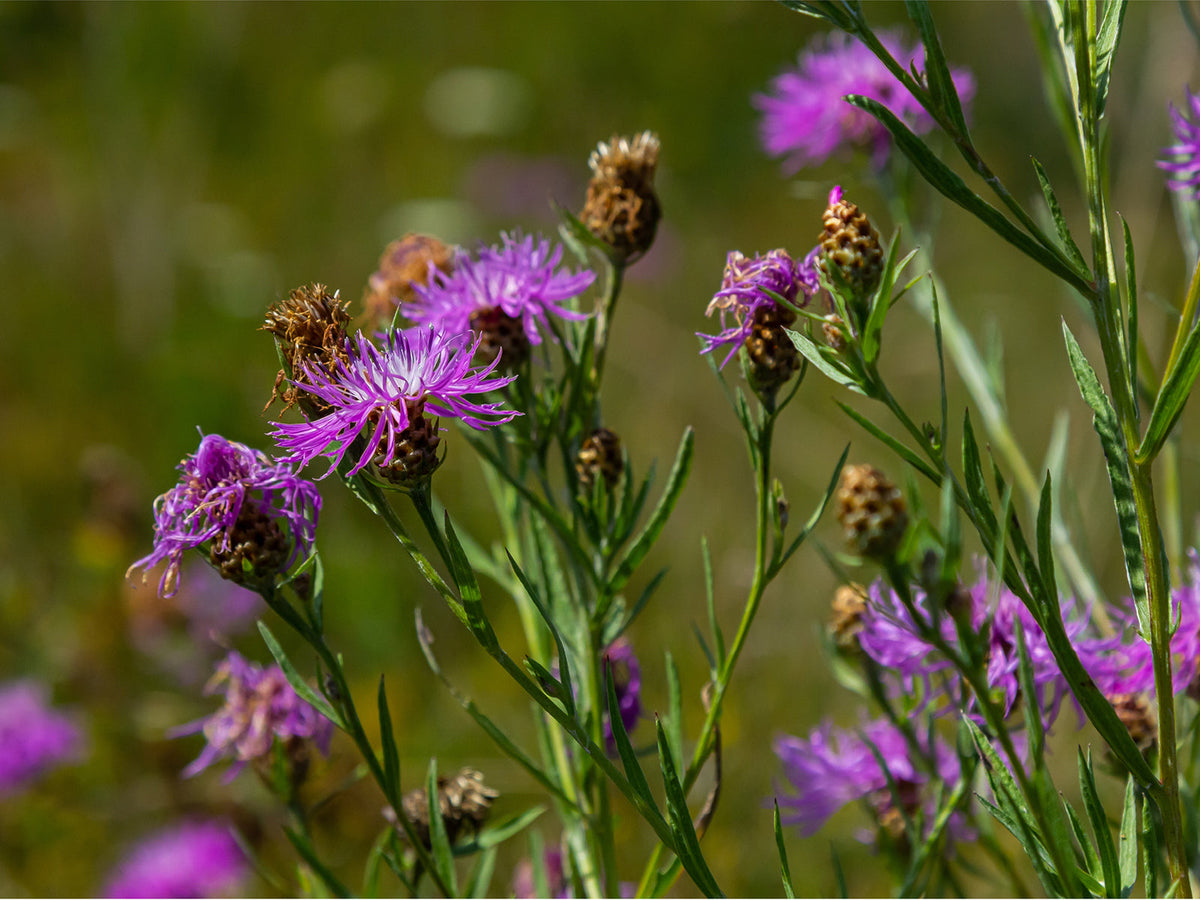
Brownray knapweed (Centaurea jacea)
Brown knapweed is considered unproblematic for horses in normal amounts and can be a component of species-rich meadows and hay.

White clover (Trifolium repens)
White clover can be part of a horse pasture, but due to its high nutrient content, it should not dominate the vegetation.
Share:
Bracken (Pteridium aquilinum)
Bittersweet nightshade (Solanum dulcamara)