
| Term | Blackberry |
| Category | Herbs |
| Definition | The blackberry is a native shrub whose leaves and fruits can generally be consumed by horses. In herbal feeding, it is primarily the leaves that are used. |
| Effects & Benefits | Blackberry leaves contain, above all, tannins and phytochemicals. They are traditionally used to support digestion and for sensitive mucous membranes. The fruits also provide natural plant compounds and antioxidants. |
| Usage | Dried blackberry leaves can be mixed into regular feed in small amounts. Boiling is not necessary. The ripe fruits can also be fed occasionally, but should remain only a supplement due to their natural sugar content. |
| Fresh or dried? | Blackberry leaves can be used fresh or dried. Dried leaves are usually more practical for targeted feeding. Fresh leaves and fruits should only be sourced from uncontaminated plants that have been clearly identified. |
| Important to know | Blackberries are not considered a typical toxic plant for horses. Nevertheless, large quantities of the leaves, which are rich in tannins, should not be fed over a long period. For horses with metabolic sensitivities, the sugar content of the fruits should also be taken into account. |
| Related terms | Tannins · Digestion · Raspberry · Mucous membranes · Antioxidants |
You might also be interested in this
Be inspired and find practical tips on the care, equipment, and health of your horse.

Wild carrot is considered safe for horses, but must be reliably distinguished from poisonous umbellifers like hemlock.
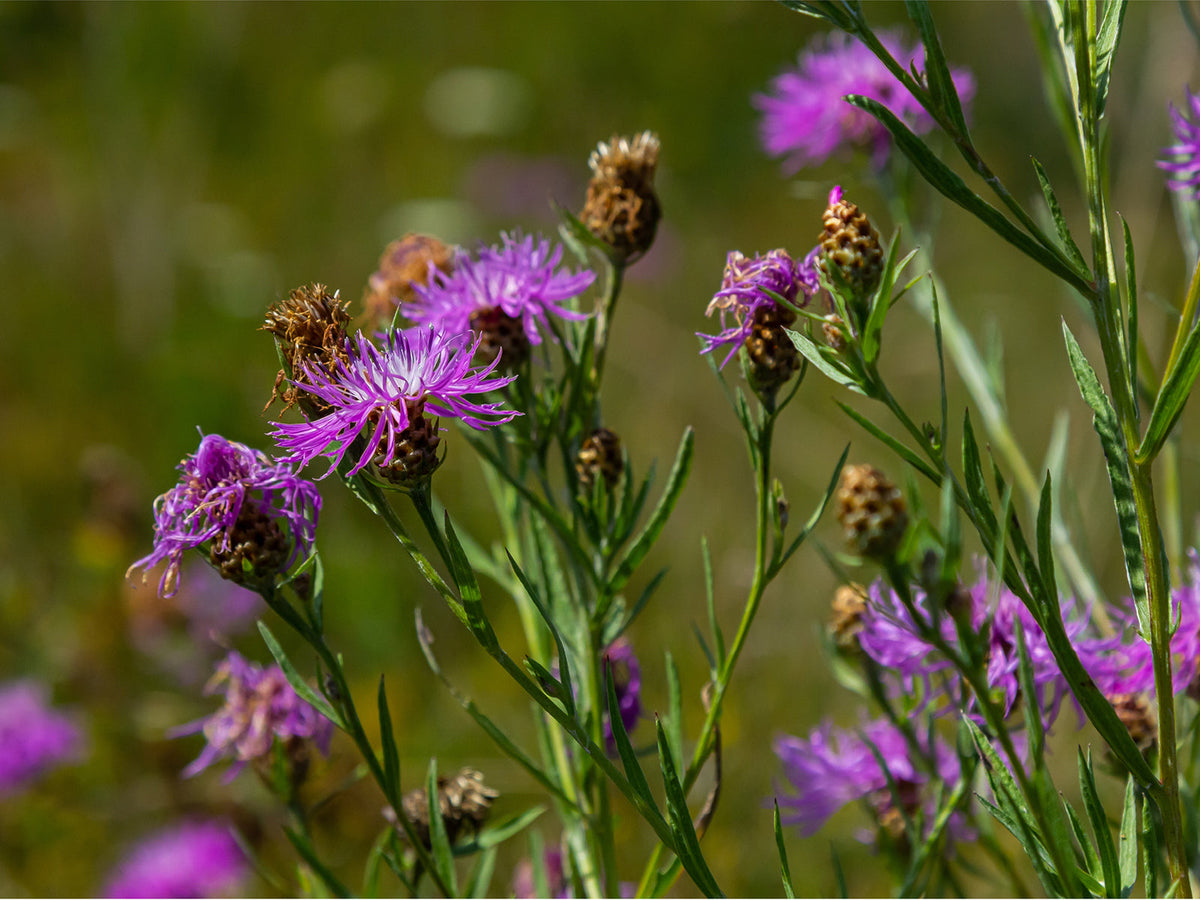
Brownray knapweed (Centaurea jacea)
Brown knapweed is considered unproblematic for horses in normal amounts and can be a component of species-rich meadows and hay.

White clover (Trifolium repens)
White clover can be part of a horse pasture, but due to its high nutrient content, it should not dominate the vegetation.
Share:
Bittersweet nightshade (Solanum dulcamara)
Boxwood (Buxus sempervirens)