
| Term | Yew |
| Category | Herbs |
| Definition | The yew is an evergreen conifer that is highly toxic to horses. Even small amounts can be life-threatening. |
| Effects & Risks | Yews contain taxines. These toxins primarily affect the heart and circulatory system and can trigger severe cardiac arrhythmias. It is particularly insidious that poisoning can progress very rapidly. |
| Use | The yew has no place in horse feeding. Trees, hedges, branches, and garden waste must be kept strictly out of reach of horses. |
| Fresh or dried? | Yew is highly toxic both fresh and dried. Even cut or wilted branches remain dangerous and must never be disposed of in pastures or paddocks. |
| Important to know | Possible signs include restlessness, staggering, muscle tremors, breathing difficulties, slowed or irregular heartbeat, and circulatory collapse. In some cases, death can occur before any clear symptoms are noticed. If ingestion is suspected, a veterinarian must be contacted immediately. |
| Related terms | Toxic plants · Poisoning · Pasture control · Boxwood · Cardiac arrhythmias |
You might also be interested in this
Be inspired and find practical tips on the care, equipment, and health of your horse.

Wild carrot is considered safe for horses, but must be reliably distinguished from poisonous umbellifers like hemlock.
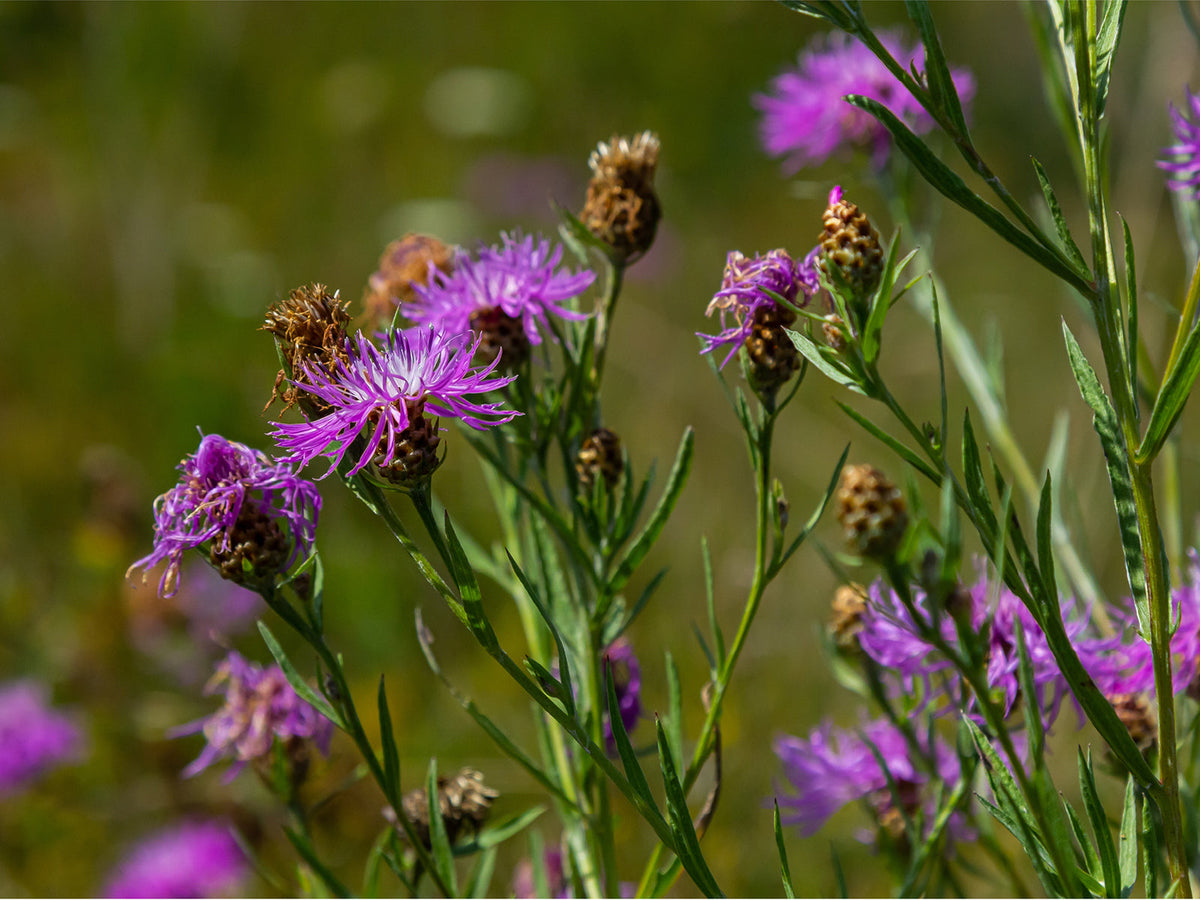
Brownray knapweed (Centaurea jacea)
Brown knapweed is considered unproblematic for horses in normal amounts and can be a component of species-rich meadows and hay.

White clover (Trifolium repens)
White clover can be part of a horse pasture, but due to its high nutrient content, it should not dominate the vegetation.
Share:
Boxwood (Buxus sempervirens)
Monkshood (Aconitum napellus)