
| Term | Chicory |
| Category | Herbs |
| Definition | Chicory is a blue-flowering wild plant related to the chicory root. In horses, it is valued primarily for its bitter compounds and for supporting digestion and metabolism. |
| Effects & Benefits | Chicory contains bitter compounds as well as inulin. It is traditionally used to support appetite, digestion, liver, and gallbladder function. Inulin also serves as a nutrient for certain gut bacteria and can therefore support the gut flora. |
| Usage | Dried leaves and roots can be mixed into regular feed in small amounts. The root is often offered chopped or ground. Boiling is not necessary for standard feeding. |
| Fresh or dried? | Chicory can be fed fresh from the pasture or dried. For targeted herbal feeding, dried plant parts are usually easier to dose and have a longer shelf life. |
| Important to know | Chicory is generally considered safe for horses. Due to the bitter compounds and inulin it contains, larger amounts may affect digestion. For sensitive horses, it should therefore be introduced slowly and not in large quantities. |
| Related terms | Digestion · Bitter compounds · Inulin · Gut flora · Dandelion |
You might also be interested in this
Be inspired and find practical tips on the care, equipment, and health of your horse.

Wild carrot is considered safe for horses, but must be reliably distinguished from poisonous umbellifers like hemlock.
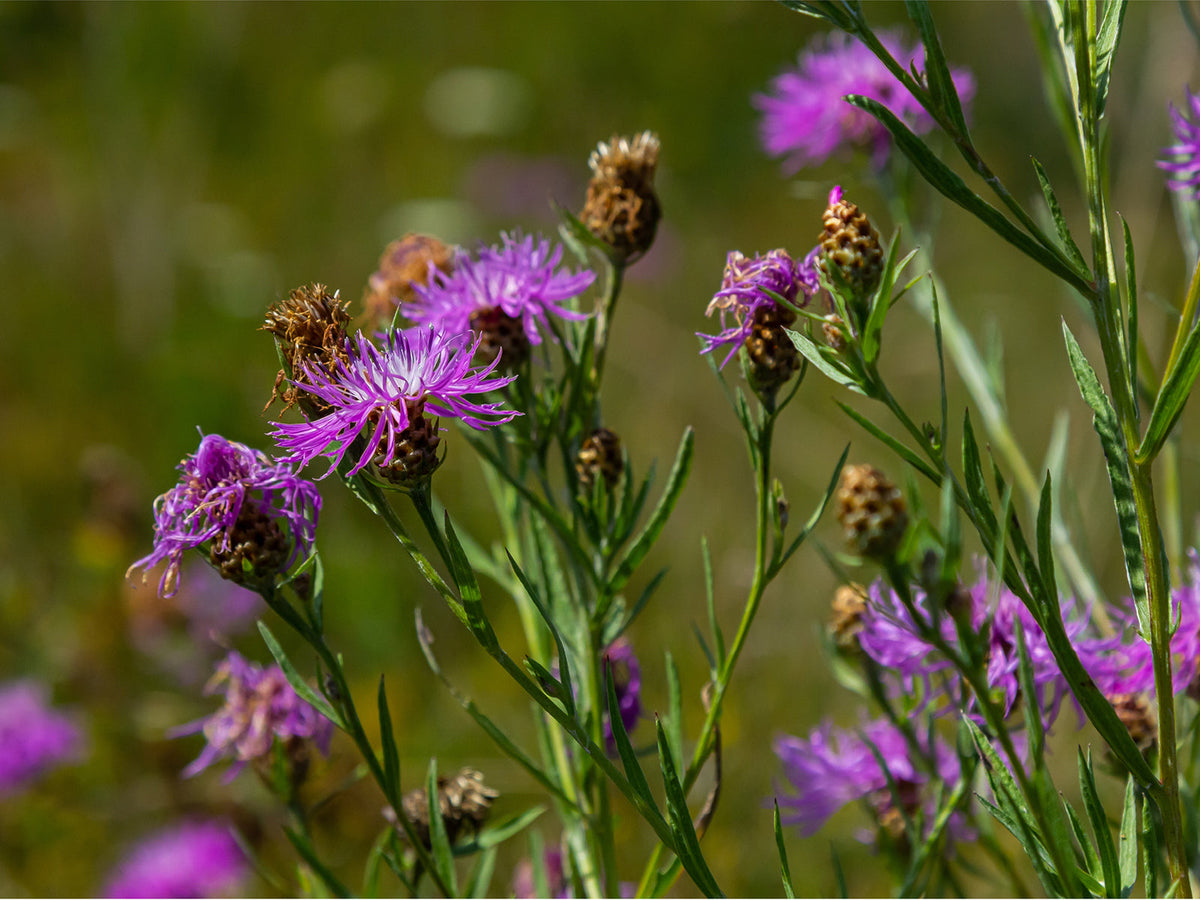
Brownray knapweed (Centaurea jacea)
Brown knapweed is considered unproblematic for horses in normal amounts and can be a component of species-rich meadows and hay.

White clover (Trifolium repens)
White clover can be part of a horse pasture, but due to its high nutrient content, it should not dominate the vegetation.
Share:
Common Chickweed (Stellaria media)
White clover (Trifolium repens)