
SUNRIDE Herb Lexicon

Common laburnum (Laburnum anagyroides)
Laburnum is toxic to horses and can cause severe nervous system disorders due to the cytisine it contains.
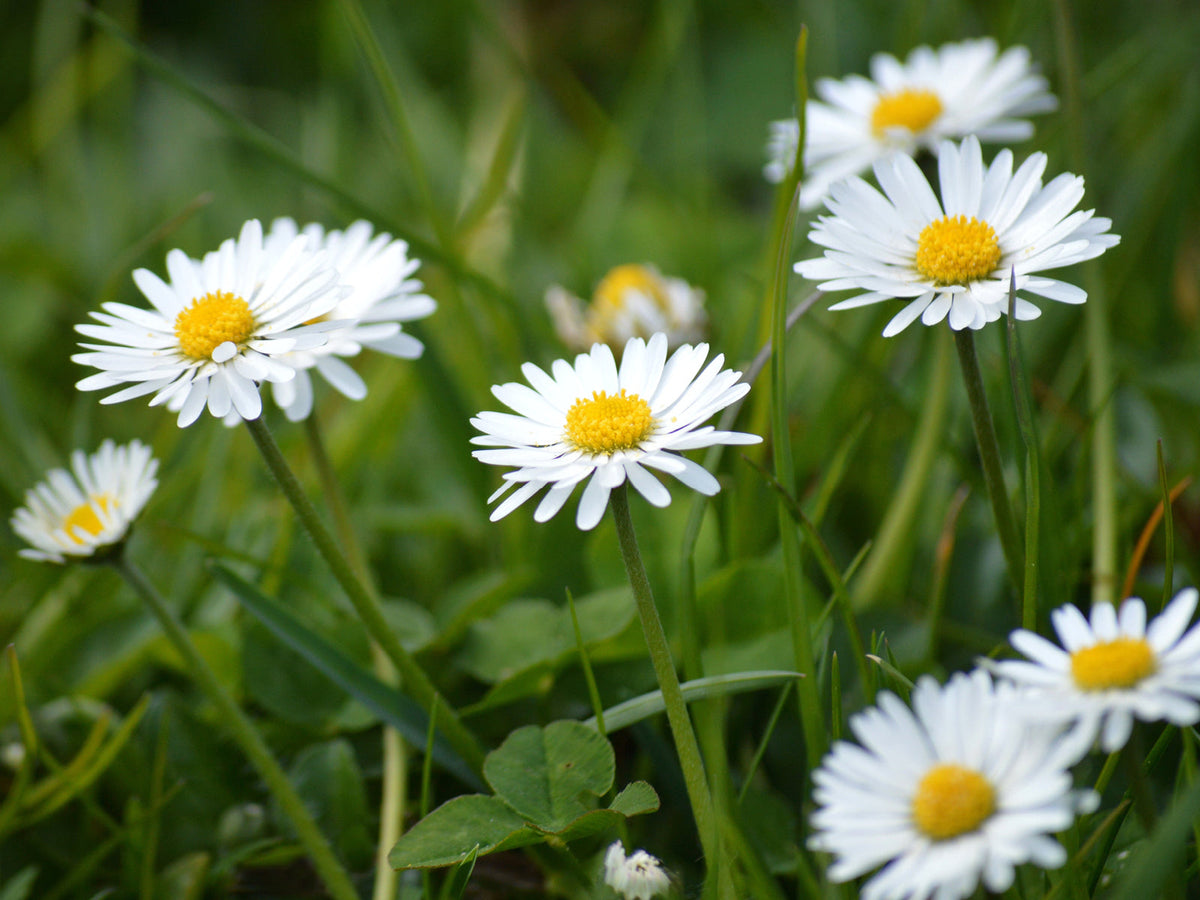
Daisies are generally non-toxic to horses and can be consumed fresh or dried in small quantities.
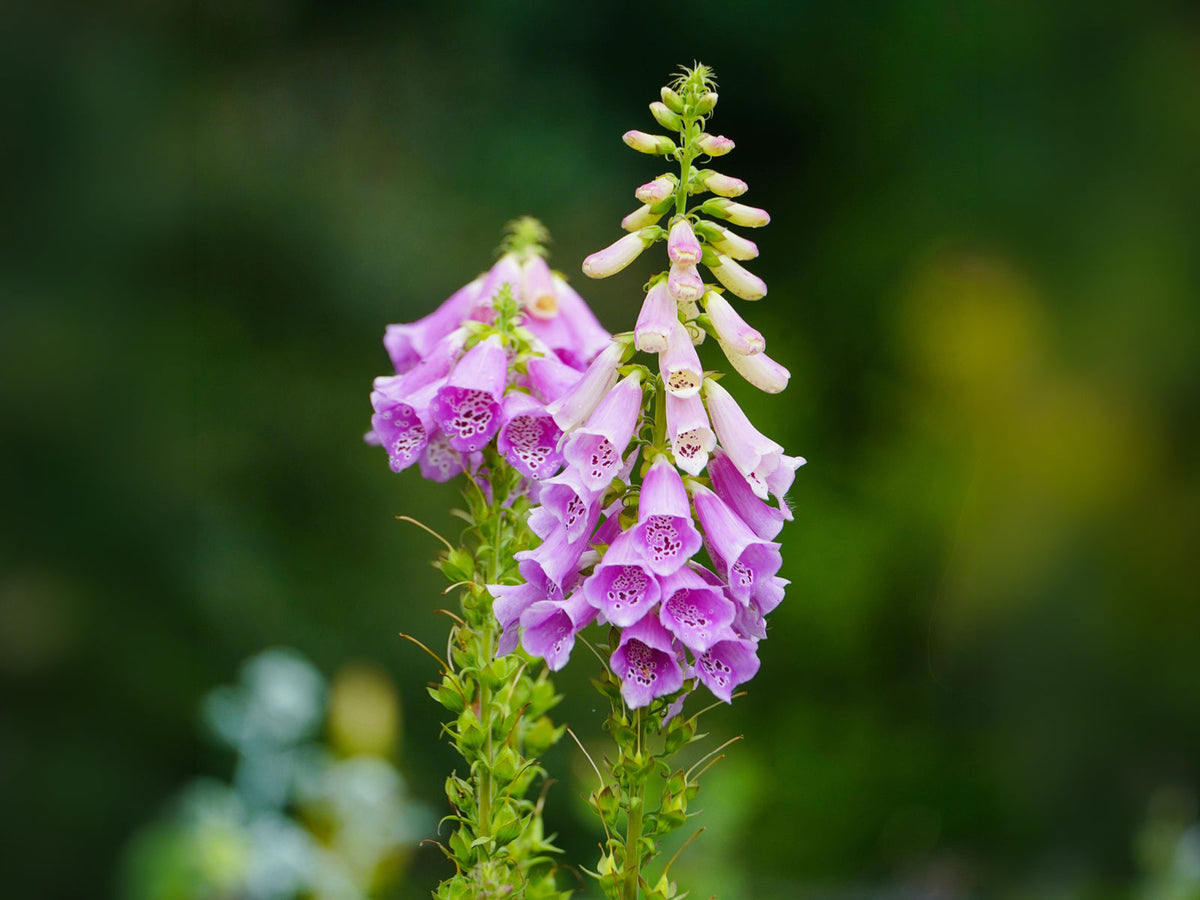
Foxglove is highly toxic to horses and can cause severe cardiac arrhythmias as well as circulatory problems.

Catsear (Hypochaeris radicata)
Catsear is associated with pasture-associated stringhalt in horses and the noticeable, jerky lifting of the hind legs.
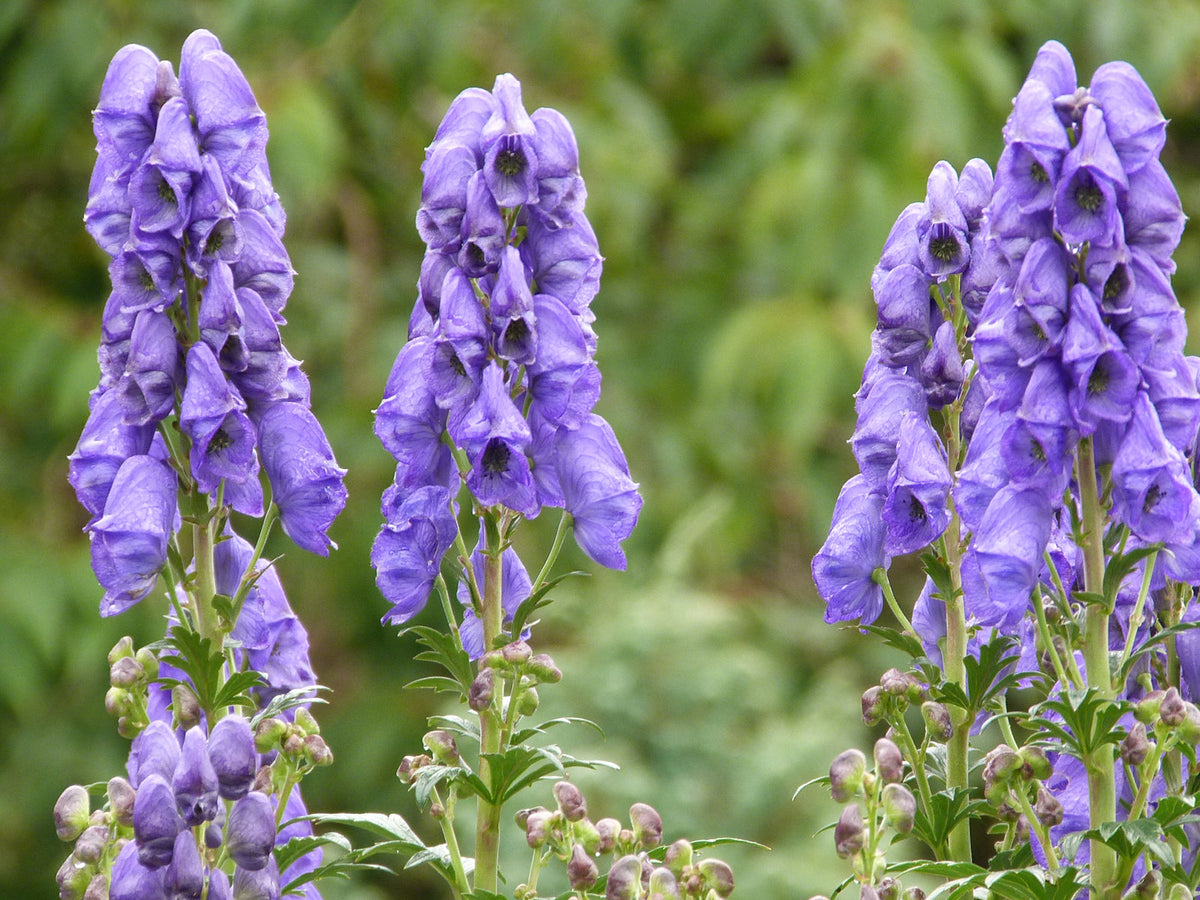
Monkshood is highly toxic to horses and can cause severe cardiac and neurological symptoms due to its alkaloids.

Yew is highly toxic to horses and even small amounts can trigger severe cardiac arrhythmias and circulatory failure.

Boxwood is highly toxic to horses and must not be eaten, whether fresh or dried.

Blackberry leaves are traditionally used in horses to support digestion and mucous membranes.

Bittersweet nightshade (Solanum dulcamara)
Bittersweet nightshade is toxic to horses and should not be fed either fresh or dried.