
Which plants are currently noticeable on pastures, along edges, and in natural areas, why some are good for your horse, and why others should be strictly avoided. Our Herb Journal shows you February with locations, effects, and important warning signs.
Important in February
February often still seems quiet, but rosettes, evergreen leaves, and the first robust herbs are already appearing in many areas. Now is the time to take a close look at pastures, ditches, forest edges, and barn areas, as many plants are easier to overlook before they bloom.
Good to know
Some problematic plants are relevant long before their blooming season. Common ragwort, bracken, and field horsetail can strain the liver, nervous system, blood formation, or digestion and should be identified early.
Monthly Overview
3 herbs suitable for horses, 3 plants with a clear warning, including locations, effects, and potential signs.
February at a glance
Suitable
Ribwort plantain, white clover, and common chicory
Not suitable
Common ragwort, bracken, and field horsetail
Check carefully
Pasture edges, damp spots, near forests, ditches, paddocks, and poorly maintained areas, especially where young plants are easily overlooked.
Your horse must not eat these plants in February

Not suitable
Common Ragwort
Common ragwort is particularly critical for horses because its ingredients can strain the liver. The insidious thing about it is that damage is often not immediately noticeable and can develop over a long period. The plant remains problematic even when dried, for example in hay.
You will often find common ragwort on patchy pastures, along paths, on poor soils, and in poorly maintained areas. Potential warning signs in the horse include lethargy, weight loss, changes in appetite, photosensitivity, or unusual behavior. A veterinarian should always be consulted if there is any suspicion.
Not suitable
Bracken
Bracken is not suitable for horses, as repeated ingestion can strain the metabolism, blood formation, and the nervous system. It is particularly risky in areas where there is little other forage available or horses graze on edge vegetation out of boredom.
Typical locations are forest edges, poor soils, open woodland areas, and naturalized spaces. Possible signs include weakness, unsteady movement, coordination problems, apathy, or a generally poor condition. Pastures near forests should therefore be checked regularly.


Not suitable
Field Horsetail
Field horsetail is often underestimated because it appears inconspicuous. It can be problematic for horses as it can affect their vitamin balance and, if ingested in larger or repeated amounts, can strain digestion, nerves, and general well-being.
It prefers to grow on moist, compacted, or poorly drained soils, along ditches, in depressions, and in nutrient-poor areas. Noticeable signs in the horse can include poor performance, a dull coat, digestive problems, restlessness, or unsteady movement. Damp pasture areas should therefore be checked very carefully.
Did you know?
Many plants are not yet visible in their distinctive blooming form in February. This is precisely why leaf shape, location, and growth habit are so important. Recognizing toxic plants early and being able to safely distinguish suitable herbs protects your horse and helps you better understand your own pasture.
Your horse may eat these herbs in February

Suitable
Ribwort Plantain
Ribwort plantain is a valuable meadow and pasture herb. It contains mucilage, tannins, and bitter compounds, which is why it is traditionally associated with the respiratory tract, mucous membranes, and digestion. Many horses eat it selectively and enjoy it.
You can find ribwort plantain on meadows, pastures, along paths, and on fairly resilient, tread-resistant areas. Its robust, natural contribution to the diet is a positive aspect. It remains important not to gather it from heavily polluted roadsides or treated areas.
Suitable
White Clover
White clover can be a nutrient-rich addition for horses, as it provides protein and occurs naturally in many healthy pasture areas. It is unproblematic for many horses in small to moderate quantities and is readily consumed.
It grows particularly well on meadows, short-grass pastures, and more nutrient-rich soils. The quantity is important: if white clover dominates heavily, it can strain sensitive horses and contribute to bloating or digestive problems. Therefore, a balanced plant composition is ideal.


Suitable
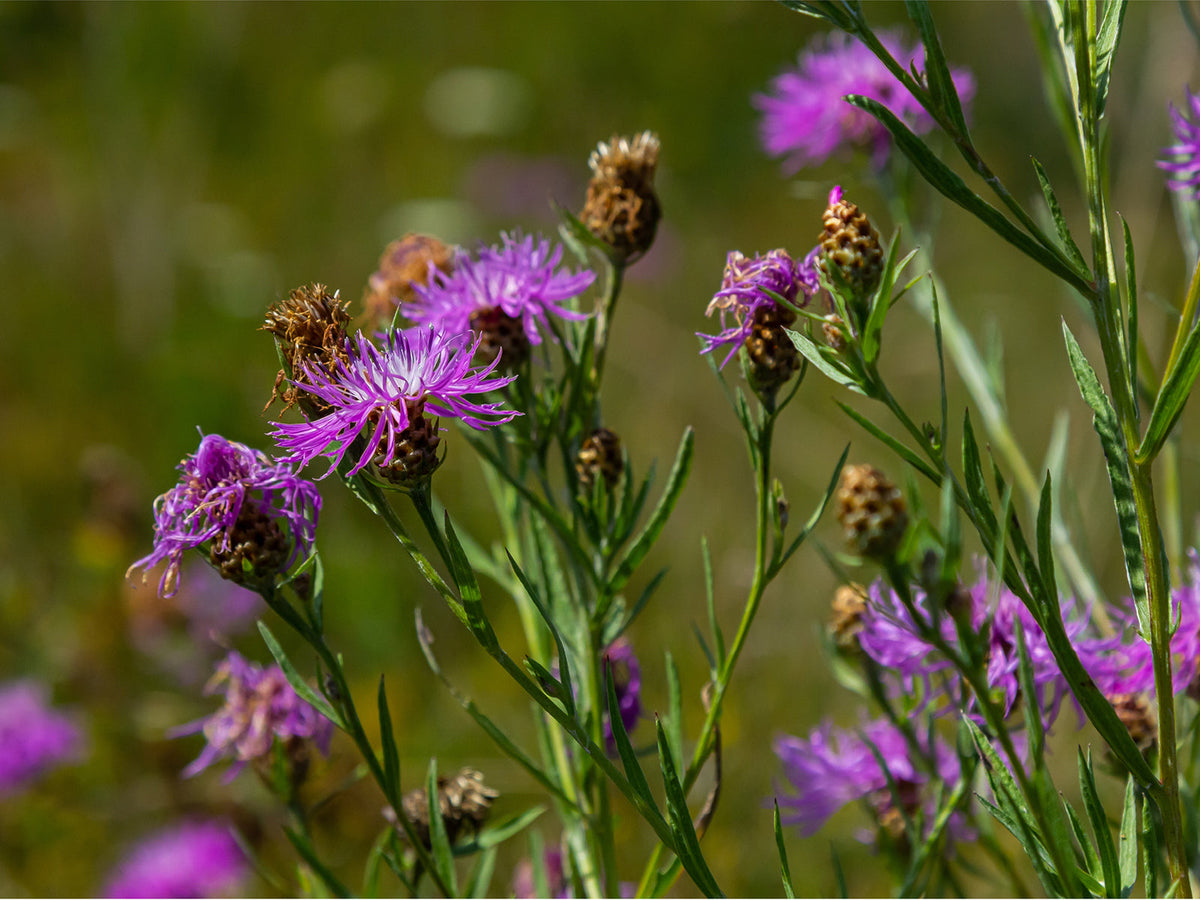
Common Chicory
Common chicory is known to many by its later blue flowers. Even as a young plant, it is interesting because it contains bitter compounds and can thereby support natural digestion. Horses often consume it selectively if it fits the area.
Typical locations are path edges, dry soils, lean meadows, and open areas. The chicory often indicates that the soil is rather dry and nutrient-poor. For horses, it is a sensible addition to dietary variety, as long as it does not come from polluted roadsides.
Other plants in February
In addition to the six main plants, there are other species in February that horse owners should know. The crucial factor is not only whether a plant is suitable, but also where it grows, in what quantity it occurs, and whether it can trigger potential complaints.
Suitable
Dandelion
Grows on meadows, pastures, and in sheltered spots. Many horses like to eat it, and it can stimulate natural digestion and metabolism.
Suitable
Daisy
Often appears early in the year on short-grass areas and in mild weather. Considered unproblematic and brings natural variety to the pasture.
Suitable
Yarrow, early leaf rosette
Grows on meadows, pasture edges, and rather dry areas. An interesting addition in small quantities, especially due to its bitter compounds.
Toxic
Buttercup
Appears frequently on damp meadows. When fresh, it can irritate mucous membranes and cause salivation, mouth irritation, or digestive complaints upon ingestion.
Toxic
Autumn Crocus, leaves
Appear early and often grow on damper meadows. Highly toxic; can cause colic, diarrhea, weakness, or severe poisoning.
Toxic
Thuja
Often found on yard edges, driveways, or in gardens. Clippings are especially dangerous and can cause digestive problems, weakness, or stronger signs of poisoning.
A quick guide for your February walk
| Plant | For horses | Typical focus point |
|---|---|---|
| Common Ragwort | No | Patchy pastures, path edges, dry locations, potential liver strain |
| Bracken | No | Forest edges, poor areas, naturalized zones, potential weakness |
| Field Horsetail | No | Damp, compacted, or nutrient-poor soils, potential digestive problems |
| Ribwort Plantain | Yes | Meadows, pastures, path edges, valuable for natural dietary variety |
| White Clover | Yes | Meadows, short-grass areas, pastures, suitable in moderate amounts |
| Common Chicory | Yes | Path edges, dry locations, open areas, digestion-stimulating bitter compounds |
Our conclusion for February
February is a month of looking closely. Many plants still appear inconspicuous but can already be important for pasture safety. Those who identify toxic species early, monitor typical locations, and simultaneously safely identify suitable herbs protect their horse and lay the foundation for a healthy, conscious grazing season.


Share:
Water column in horse rugs: Everything you need to know