
| Category | Material & Function |
| Definition | Sealed seams are seams that are additionally waterproofed to prevent water from penetrating the material through the needle holes. For our turnout rugs, the seams are welded on the inside and additionally taped. |
| Meaning & Benefits | Even a waterproof outer material can have a weak point at the seams, as small holes are created in the fabric during sewing. Welding and taping these areas provides additional protection and supports the waterproof properties of the rug. |
| Application | Sealed seams are primarily used for turnout and outdoor rugs. They are located on the inside of the outer material and, in our rugs, are positioned underneath the lining. As a result, they are generally not visible to the customer in the finished product. |
| How are the seams sealed? | After sewing, the affected seam areas on the inside of the material are additionally waterproofed. In our rugs, they are welded and taped to protect the needle holes as reliably as possible against penetrating moisture. |
| Good to know | Sealed seams are an important component of a waterproof horse rug. However, the actual protective effect always depends on the interplay between the outer material, water column, workmanship, coating, and the condition of the rug. |
| Related terms | Water column, waterproofness, ripstop, outer material, coating |
You might also be interested in this
Be inspired and find practical tips on the care, equipment, and health of your horse.

Wild carrot is considered safe for horses, but must be reliably distinguished from poisonous umbellifers like hemlock.
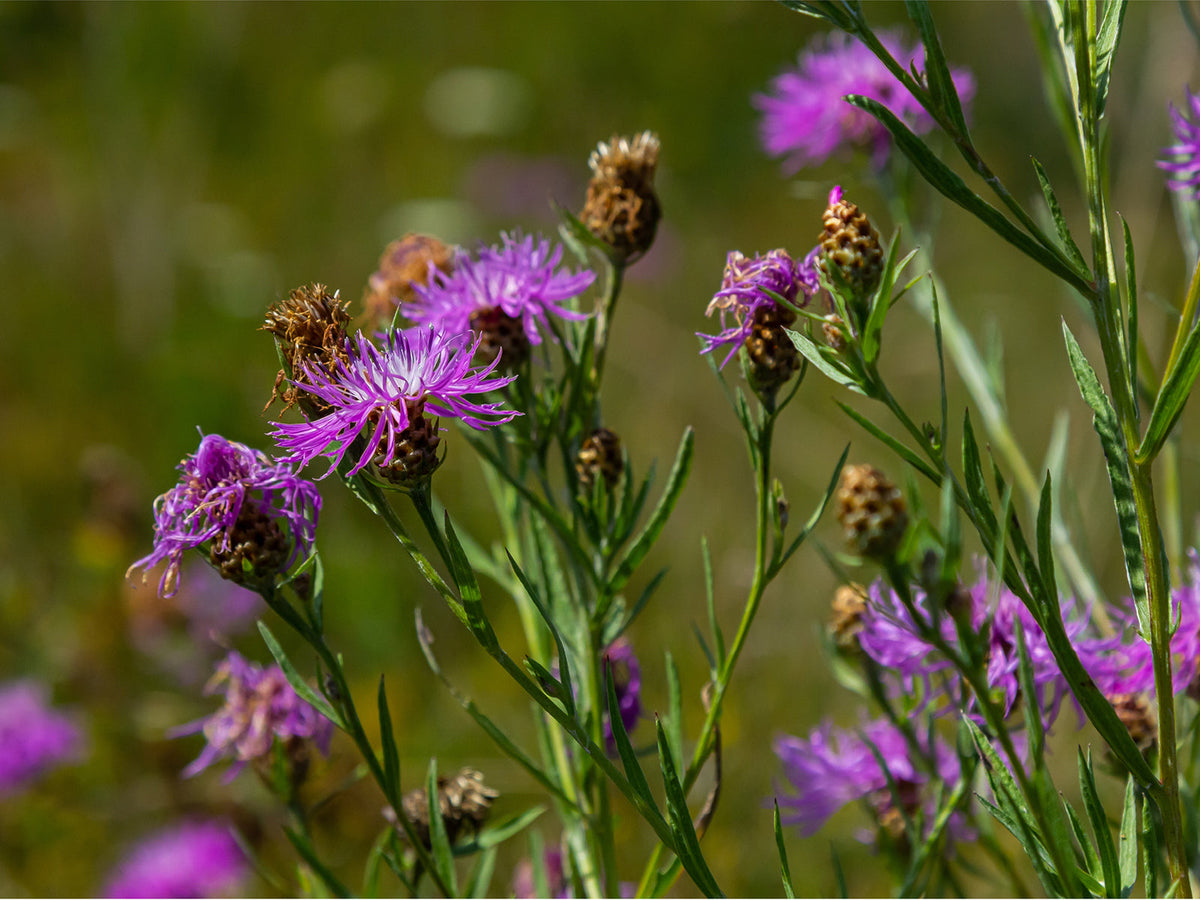
Brownray knapweed (Centaurea jacea)
Brown knapweed is considered unproblematic for horses in normal amounts and can be a component of species-rich meadows and hay.

White clover (Trifolium repens)
White clover can be part of a horse pasture, but due to its high nutrient content, it should not dominate the vegetation.
Share:
Ripstop
Curb bit