
| Category | Material & Function |
| Definition | Ripstop refers to a special weaving technique in which thicker threads are incorporated into the fabric at regular intervals. This creates the typical grid structure that makes the material more resistant to small tears spreading. |
| Significance & Benefits | The ripstop structure increases the stability of the fabric without making the material unnecessarily heavy. If a small tear occurs, the reinforced threads help prevent the damage from spreading rapidly. |
| Application | Ripstop fabric is frequently used for outdoor, rain, and turnout rugs. In daily use, the reinforced structure is particularly useful when the material is subjected to stress from movement, friction, or contact with fences and branches. |
| How to recognize Ripstop? | A visible, usually square or rectangular grid structure in the fabric is typical of ripstop. This is created by the regularly incorporated, stronger reinforcement threads. |
| Important to know | Ripstop does not mean that a material is completely tear-proof. The actual resistance additionally depends on fiber quality, denier value, weave density, manufacturing, and usage of the horse rug. |
| Related terms | Denier, outer material, polyester, tear resistance, water column |
You might also be interested in this
Be inspired and find practical tips on the care, equipment, and health of your horse.

Wild carrot is considered safe for horses, but must be reliably distinguished from poisonous umbellifers like hemlock.
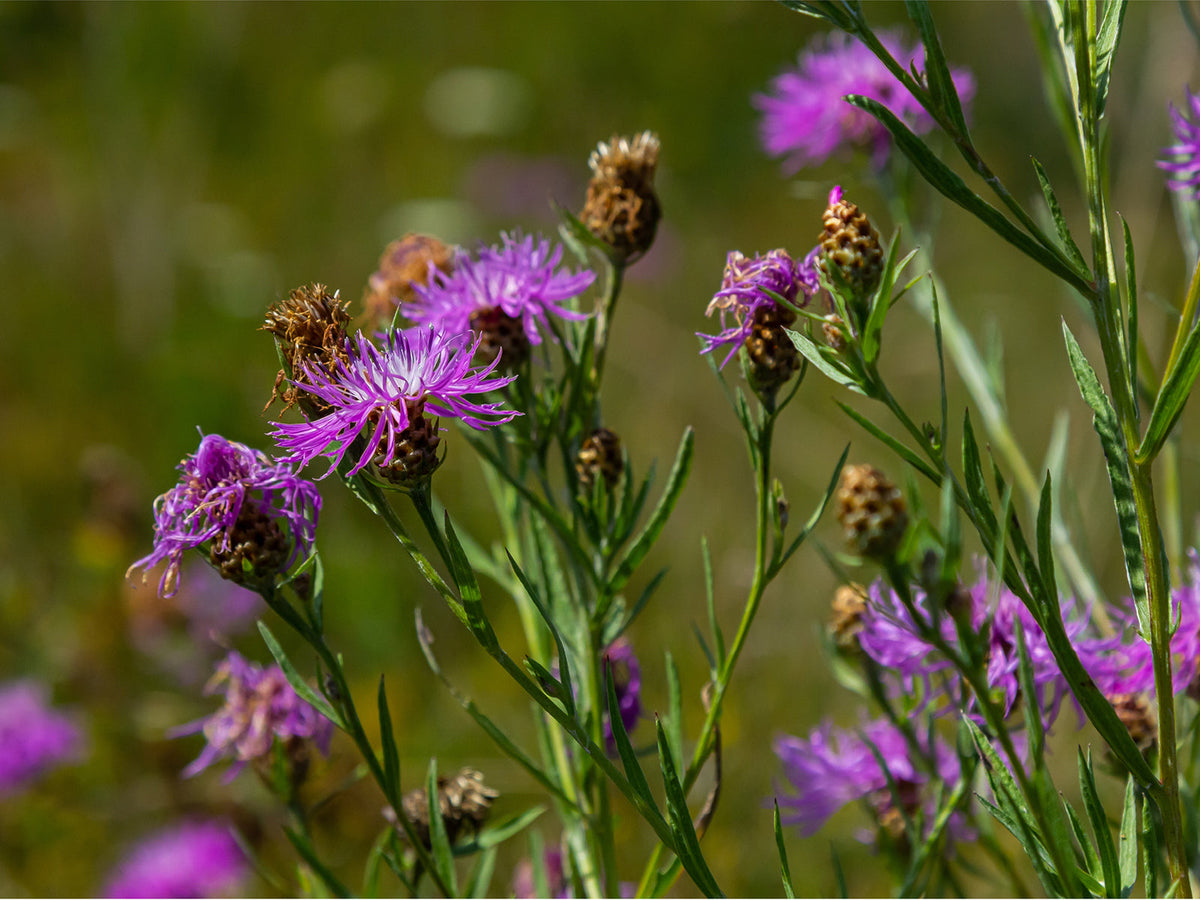
Brownray knapweed (Centaurea jacea)
Brown knapweed is considered unproblematic for horses in normal amounts and can be a component of species-rich meadows and hay.

White clover (Trifolium repens)
White clover can be part of a horse pasture, but due to its high nutrient content, it should not dominate the vegetation.
Share:
Denier
Sealed Seams