
| Category | Material & Function |
| Definition | The hydrostatic head indicates how waterproof a material is. The value is given in millimeters and describes the water pressure the fabric can withstand before water penetrates through it. |
| Effect & Benefits | In general, the higher the hydrostatic head, the greater the material's resistance to penetrating water. For horse rugs, this value helps to estimate how reliably the outer material provides protection during rain and prolonged wet conditions. |
| Application | The hydrostatic head is particularly relevant for outdoor, rain, and turnout rugs. It describes the waterproofness of the material used and is therefore an important reference point when choosing a rug for wet weather. |
| How is it measured? | During testing, the material is subjected to increasing water pressure. A hydrostatic head of, for example, 5,000 mm means that the fabric can withstand the pressure of a theoretically 5,000 mm high column of water before water penetrates the material. |
| Important to know | The hydrostatic head alone does not determine how reliably an entire horse rug protects against rain. Seams, fastenings, workmanship, fit, and the condition of the material also influence the actual weather protection. |
| Related terms | Waterproofness, breathability, ripstop, denier, outer material |
You might also be interested in this
Be inspired and find practical tips on the care, equipment, and health of your horse.

Wild carrot is considered safe for horses, but must be reliably distinguished from poisonous umbellifers like hemlock.
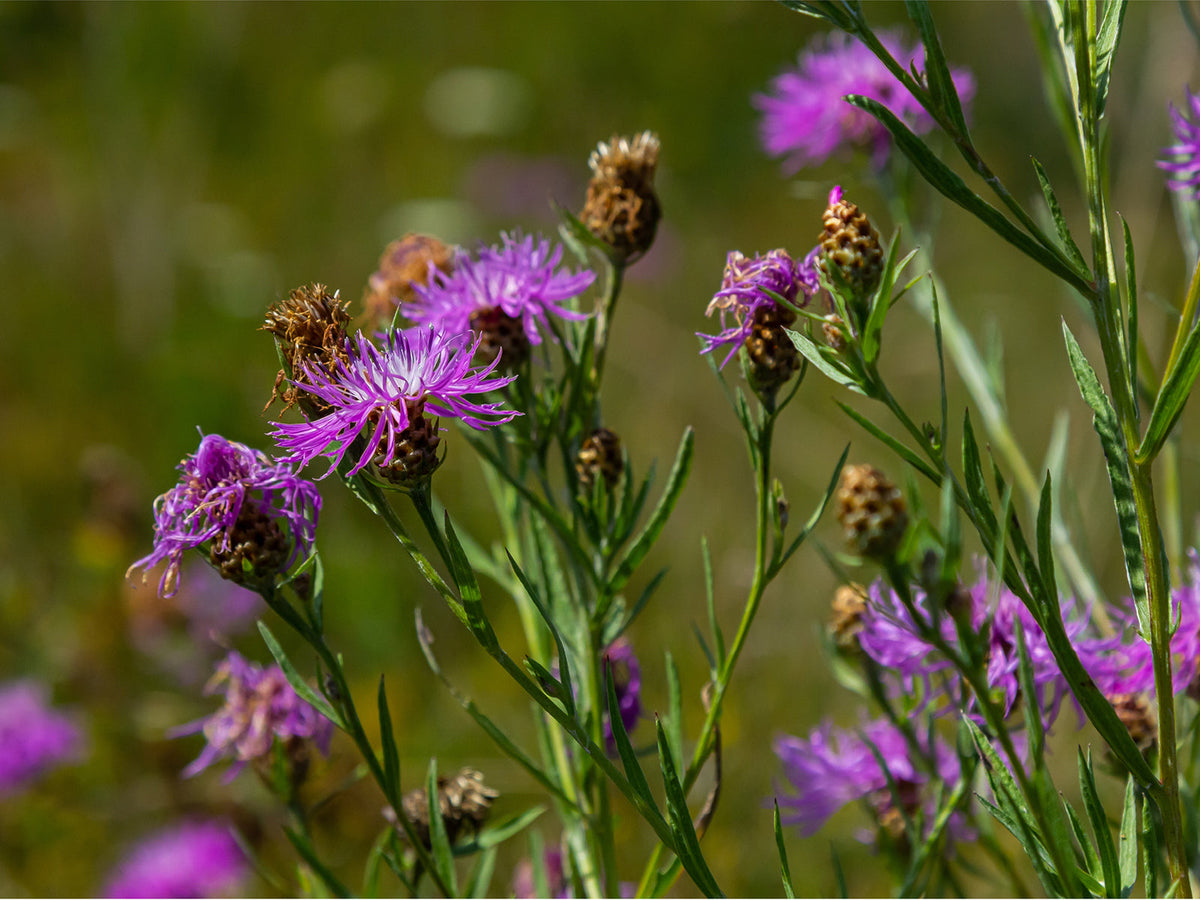
Brownray knapweed (Centaurea jacea)
Brown knapweed is considered unproblematic for horses in normal amounts and can be a component of species-rich meadows and hay.

White clover (Trifolium repens)
White clover can be part of a horse pasture, but due to its high nutrient content, it should not dominate the vegetation.
Share:
Denier