
| Category | Material & Function |
| Definition | Denier, abbreviated as "D", is a unit of measurement for the fineness or thickness of fibers and yarns. In horse rugs, this value is frequently used to describe the strength of the outer fabric used. |
| Significance & Benefits | A higher denier value generally indicates a stronger and more robust yarn. An outer material with 1200D, for example, is typically more resistant than a comparable material with 600D. As a result, it can better withstand stresses from movement, friction, or use in the pasture. |
| Application | Denier specifications are primarily found on outdoor, rain, and turnout rugs. They help to better categorize the material strength of different outer fabrics and to select a suitable rug for the respective intended use. |
| How is denier determined? | The denier value describes the weight of a yarn. One denier corresponds to a weight of one gram for a yarn length of 9,000 meters. The higher the value, the heavier and generally stronger the yarn used. |
| Important to know | A high denier value alone does not determine how tear-resistant or durable a horse rug actually is. Weave, material quality, ripstop structure, workmanship, and coating also influence the resistance of the fabric. |
| Related terms | Ripstop, outer material, polyester, tear resistance, hydrostatic head |
You might also be interested in this
Be inspired and find practical tips on the care, equipment, and health of your horse.

Wild carrot is considered safe for horses, but must be reliably distinguished from poisonous umbellifers like hemlock.
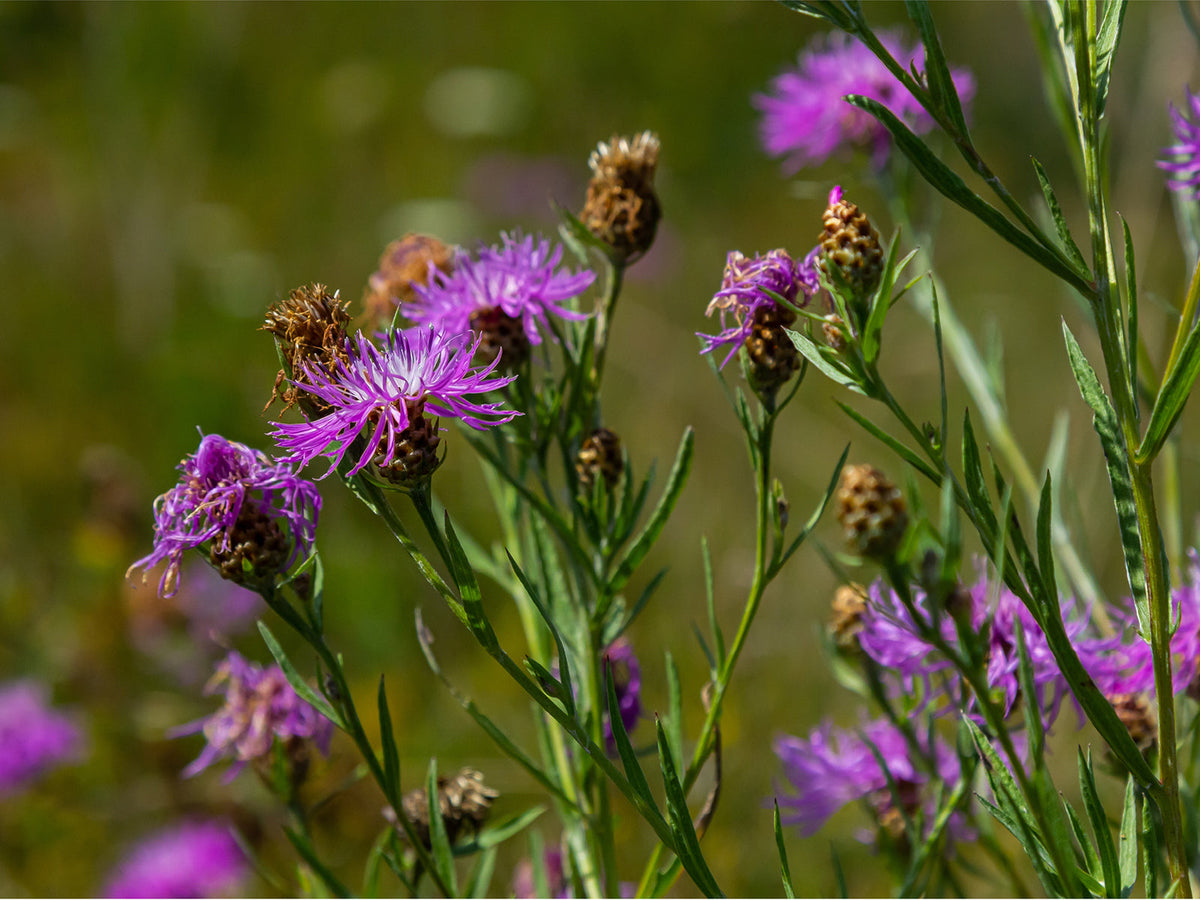
Brownray knapweed (Centaurea jacea)
Brown knapweed is considered unproblematic for horses in normal amounts and can be a component of species-rich meadows and hay.

White clover (Trifolium repens)
White clover can be part of a horse pasture, but due to its high nutrient content, it should not dominate the vegetation.
Share:
Water column
Ripstop