
| Term | Stinging Nettle |
| Category | Herbs |
| Definition | Stinging nettle is a mineral-rich wild plant used in horse feed primarily to support metabolism, kidney function, and natural elimination. |
| Effects & Benefits | Stinging nettle is considered a mild diuretic and can therefore support natural elimination via the kidneys. It is frequently used in metabolic cleanses and also provides various minerals and secondary plant compounds. |
| Application | Stinging nettle is best fed dried or wilted. Once dried, it can be mixed directly into regular feed. Boiling is generally not necessary. |
| Fresh or dried? | Dried stinging nettle is best suited for targeted feeding. Fresh plants still possess active stinging hairs and can irritate the skin and mucous membranes. They are often better accepted once wilted. |
| Important to know | A diuretic effect is not beneficial for every horse. In cases of kidney disease, noticeable fluid retention, or concurrent medication, feeding should be cleared by a veterinarian beforehand. |
| Related terms | Dandelion · Milk thistle · Metabolism · Kidneys |
You might also be interested in this
Be inspired and find practical tips on the care, equipment, and health of your horse.

Wild carrot is considered safe for horses, but must be reliably distinguished from poisonous umbellifers like hemlock.
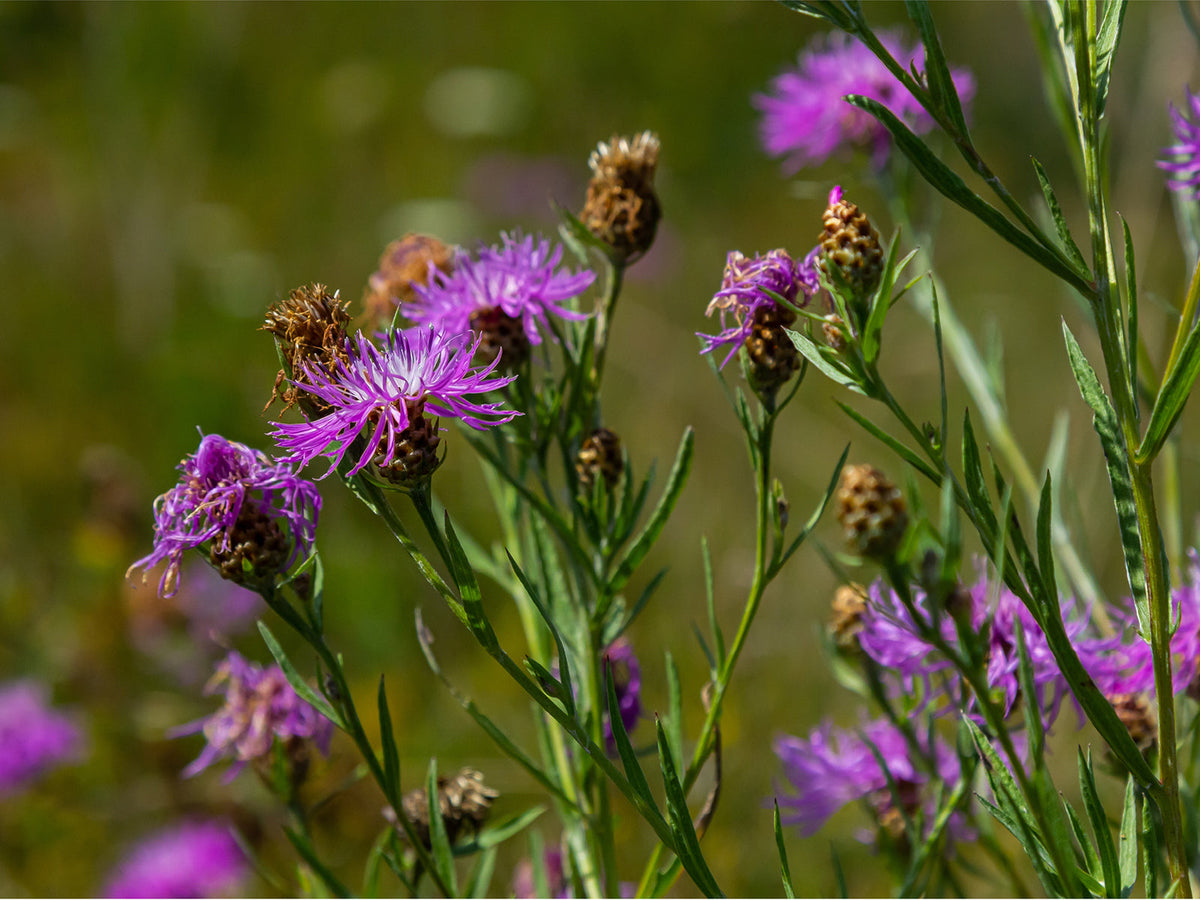
Brownray knapweed (Centaurea jacea)
Brown knapweed is considered unproblematic for horses in normal amounts and can be a component of species-rich meadows and hay.

White clover (Trifolium repens)
White clover can be part of a horse pasture, but due to its high nutrient content, it should not dominate the vegetation.
Share:
Rose hip (Rosa canina)