
| Term | Rose hip |
| Category | Herbs |
| Definition | The rose hip is the fruit of various wild roses, especially the dog rose. It contains vitamin C, carotenoids, and phytonutrients, among other things, and is used as a natural supplement in horse feed. |
| Effects & Benefits | Rose hips are primarily fed to supplement natural plant compounds and antioxidants. They are also frequently used to support the immune system and musculoskeletal system. Research on standardized rose hip powder shows anti-inflammatory properties, although the data comes predominantly from human studies and cannot be directly applied to horses. |
| Application | Rose hips can be mixed into regular feed dried, crushed, or as a powder. Whole dried fruits can also be fed depending on size and eating behavior. Boiling is not necessary. |
| Fresh or dried? | In principle, horses are allowed to eat ripe, fresh rose hips. However, dried rose hips have a longer shelf life and are easier to dose. When using powder and crushed fruits, care should be taken to ensure clean and gentle processing. |
| Important to know | Rose hips are not a substitute for a balanced mineral supply. Due to their natural sugar content, large quantities should not be fed uncontrollably, especially to horses sensitive to metabolic issues. The respective feeding recommendations should be observed for finished products. |
| Related terms | Immune system · Antioxidants · Joints · Vitamin C |
You might also be interested in this
Be inspired and find practical tips on the care, equipment, and health of your horse.

Wild carrot is considered safe for horses, but must be reliably distinguished from poisonous umbellifers like hemlock.
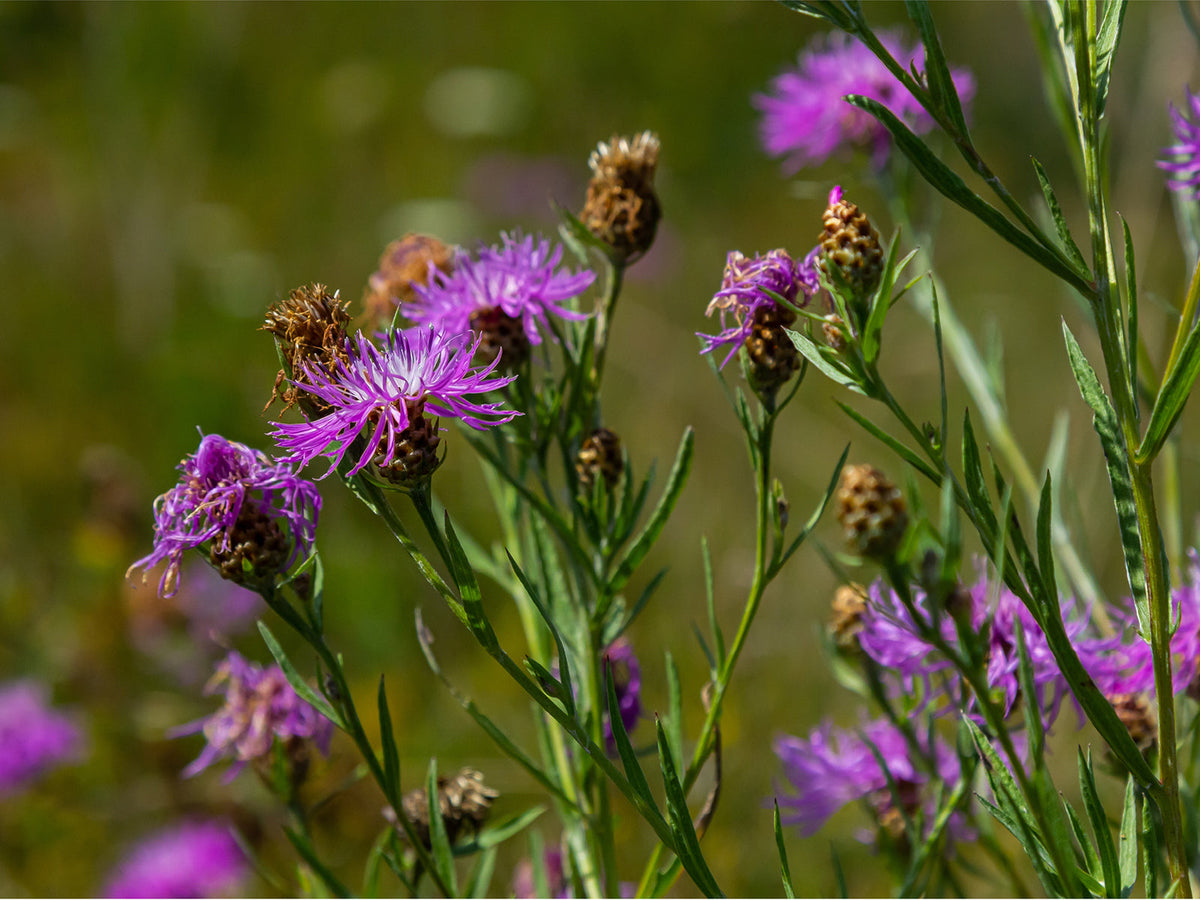
Brownray knapweed (Centaurea jacea)
Brown knapweed is considered unproblematic for horses in normal amounts and can be a component of species-rich meadows and hay.

White clover (Trifolium repens)
White clover can be part of a horse pasture, but due to its high nutrient content, it should not dominate the vegetation.
Share:
Stinging nettle (Urtica dioica)
Chamomile (Matricaria chamomilla)