
| Term | Poison hemlock |
| Category | Herbs |
| Definition | Poison hemlock is a highly toxic wild plant. It contains potent alkaloids and must not be ingested by horses, neither in the pasture nor via feed. |
| Effects & Risks | The plant contains coniine, among other substances. This alkaloid acts on the nervous system and can interfere with signal transmission between nerves and muscles. Severe poisoning can lead to muscle weakness, paralysis, and respiratory arrest. |
| Usage | Hemlock has no place in horse feed. Plants in pastures, along fences, or in forage areas should be identified and removed safely. |
| Fresh or dried? | Hemlock is dangerous both fresh and dried. Plant parts found in hay should also not be fed. There is no safe amount for ingestion. |
| Important to know | Possible signs of poisoning include salivation, tremors, unsteady gait, muscle weakness, breathing difficulties, and progressive paralysis. If ingestion is suspected, immediate veterinary assistance is required. |
| Related terms | Toxic plants · Coniine · Nervous system · Poisoning · Pasture management |
You might also be interested in this
Be inspired and find practical tips on the care, equipment, and health of your horse.

Wild carrot is considered safe for horses, but must be reliably distinguished from poisonous umbellifers like hemlock.
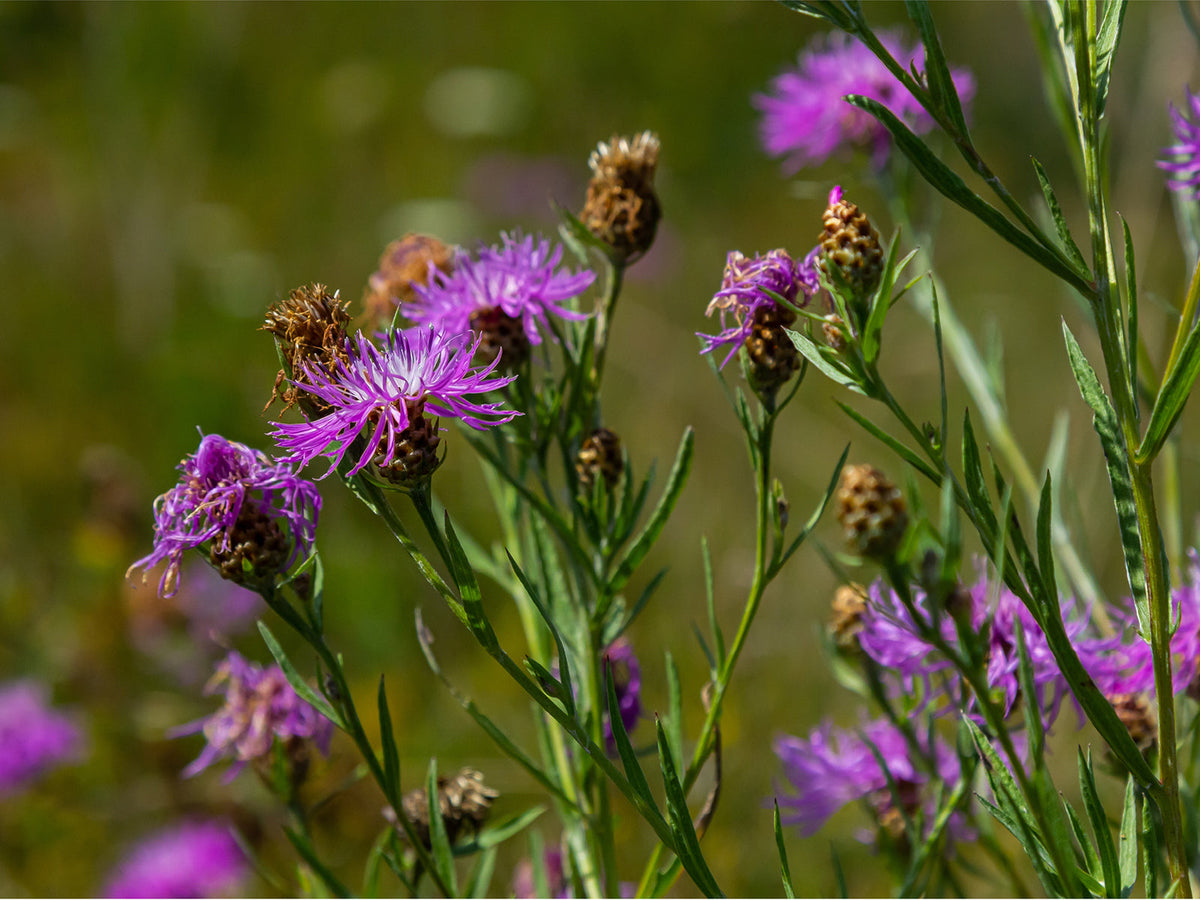
Brownray knapweed (Centaurea jacea)
Brown knapweed is considered unproblematic for horses in normal amounts and can be a component of species-rich meadows and hay.

White clover (Trifolium repens)
White clover can be part of a horse pasture, but due to its high nutrient content, it should not dominate the vegetation.
Share:
Yarrow (Achillea millefolium)
Ribwort plantain (Plantago lanceolata)