
| Term | Ribwort plantain |
| Category | Herbs |
| Definition | Ribwort plantain is a widespread meadow plant that is traditionally used primarily to support the respiratory tract and irritated mucous membranes. |
| Effects & Benefits | Ribwort plantain contains mucilages, tannins, and other secondary plant compounds. These can soothe irritated mucous membranes and are traditionally used to provide support for coughs and sensitive respiratory tracts. |
| Usage | Dried ribwort plantain can be mixed directly into regular feed. Alternatively, it can be steeped in hot water and fed along with the infusion once it has cooled down. Hard boiling is not necessary. |
| Fresh or dried? | Ribwort plantain can be fed fresh from the pasture or dried. For targeted herbal feeding, dried product is usually easier to dose and has a longer shelf life. |
| Important to know | Ribwort plantain is generally considered well-tolerated by horses. However, in cases of severe or prolonged coughing, respiratory distress, or abnormal nasal discharge, the underlying cause of the symptoms should be clarified by a veterinarian. |
| Related terms | Respiratory tract · Cough · Mucous membranes · Thyme · Chamomile |
You might also be interested in this
Be inspired and find practical tips on the care, equipment, and health of your horse.

Wild carrot is considered safe for horses, but must be reliably distinguished from poisonous umbellifers like hemlock.
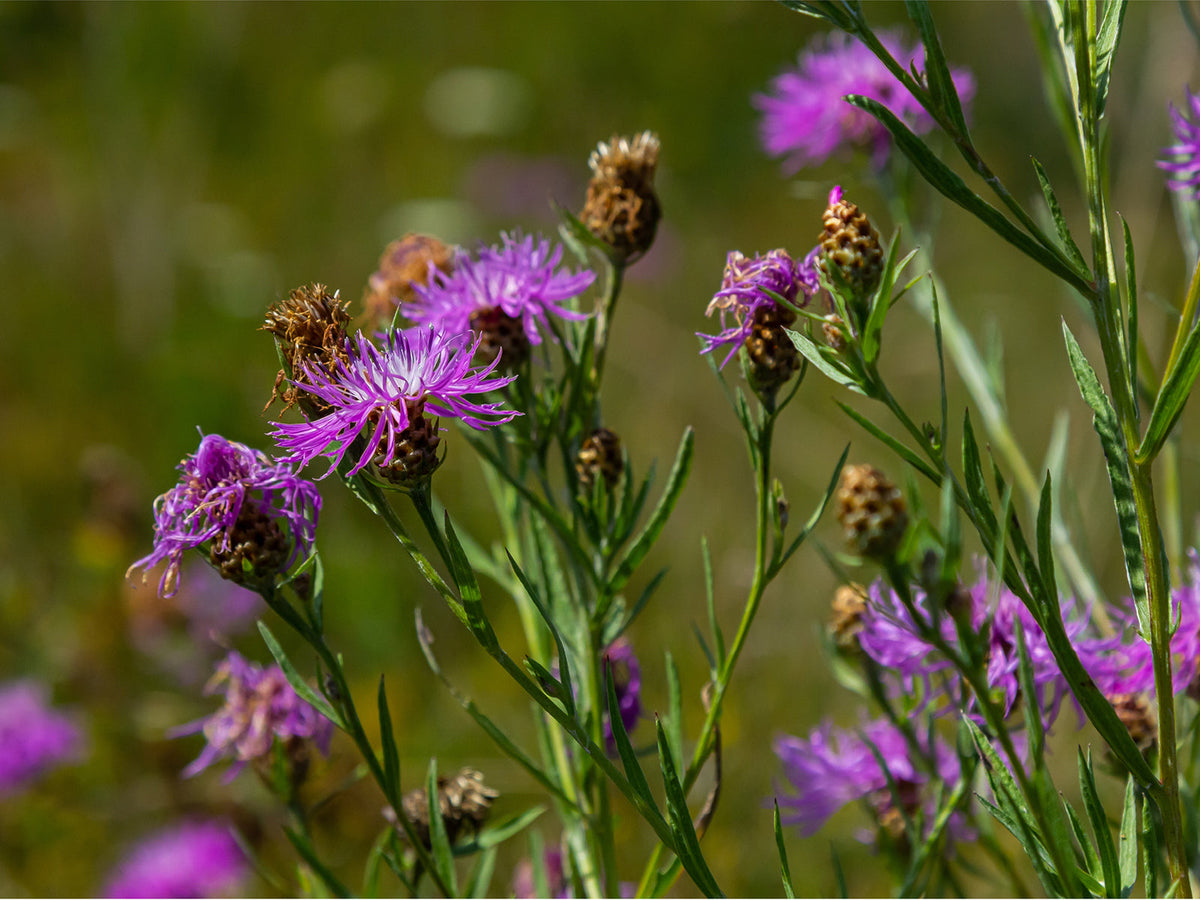
Brownray knapweed (Centaurea jacea)
Brown knapweed is considered unproblematic for horses in normal amounts and can be a component of species-rich meadows and hay.

White clover (Trifolium repens)
White clover can be part of a horse pasture, but due to its high nutrient content, it should not dominate the vegetation.
Share:
Poison hemlock (Conium maculatum)
Jimsonweed (Datura stramonium)