
| Term | Milk thistle |
| Category | Herbs |
| Definition | Milk thistle is a traditional medicinal plant whose fruits are valued especially for the plant compound complex known as silymarin. In horses, it is primarily used to support the liver and metabolism. |
| Effect & Benefits | The liver plays an important role in metabolism and in processing both endogenous and exogenous substances. Silymarin has antioxidant properties and is associated with the protection of liver cells. Milk thistle is therefore frequently used as a supplement during phases of increased metabolic strain. |
| Application | It is primarily the fruits or seeds of the milk thistle that are fed. They are usually crushed, ground, or mixed into regular feed as part of a dietary supplement. Crushing them makes the contained plant compounds more bioavailable. Boiling is not necessary. |
| Fresh or dried? | Dried milk thistle fruits are predominantly used for targeted horse feeding. The fresh, prickly plant is not suitable for standard direct feeding. Freshly crushed or pre-processed seeds are particularly practical. |
| Important to know | Milk thistle supports normal liver function but does not replace treatment for liver disease. Abnormal liver values, fatigue, weight loss, or other unexplained symptoms should be evaluated by a veterinarian. Targeted herbal feeding should also be coordinated when administering medication. |
| Related terms | Liver · Metabolism · Silymarin · Dandelion · Nettle |
You might also be interested in this
Be inspired and find practical tips on the care, equipment, and health of your horse.

Wild carrot is considered safe for horses, but must be reliably distinguished from poisonous umbellifers like hemlock.
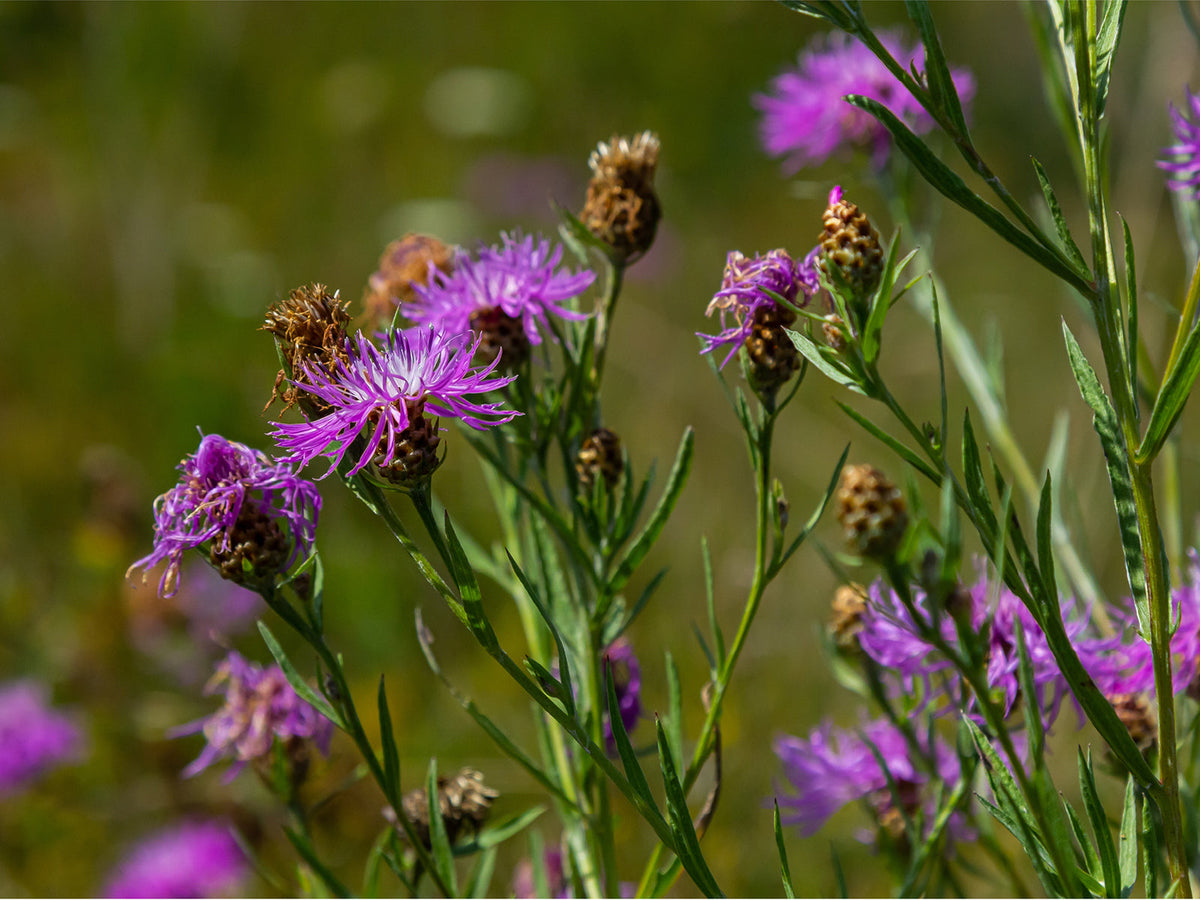
Brownray knapweed (Centaurea jacea)
Brown knapweed is considered unproblematic for horses in normal amounts and can be a component of species-rich meadows and hay.

White clover (Trifolium repens)
White clover can be part of a horse pasture, but due to its high nutrient content, it should not dominate the vegetation.
Share:
Echinacea (Echinacea purpurea)
Peppermint (Mentha × piperita)