
| Term | Peppermint |
| Category | Herbs |
| Definition | Peppermint is an aromatic medicinal plant with a high content of essential oils, especially menthol. In horses, it is primarily used to support digestion and feed intake. |
| Effects & Benefits | Peppermint is traditionally used for digestive complaints such as flatulence or mild spasmodic restlessness. Its intense scent can also improve feed palatability. The essential oils it contains have an aromatic effect and can support normal digestive function. |
| Usage | Dried peppermint leaves can be mixed directly into the feed. Alternatively, an infusion can be made with hot water, which can be added to the feed after cooling. Prolonged boiling is not advisable, as volatile essential oils may be lost. |
| Fresh or dried? | Peppermint can be fed fresh or dried. For targeted feeding, dried product is usually more practical and easier to dose. Fresh leaves should be clean, clearly identified, and offered only in standard feed amounts. |
| Important to know | Due to its high essential oil content, peppermint is not an herb to be fed in unlimited quantities. If the horse has a sensitive stomach, persistent digestive problems, or is taking other medications, consult a professional before use. Pure peppermint oil should not be fed without professional guidance. |
| Related terms | Digestion · Flatulence · Chamomile · Fennel · Stomach |
You might also be interested in this
Be inspired and find practical tips on the care, equipment, and health of your horse.

Wild carrot is considered safe for horses, but must be reliably distinguished from poisonous umbellifers like hemlock.
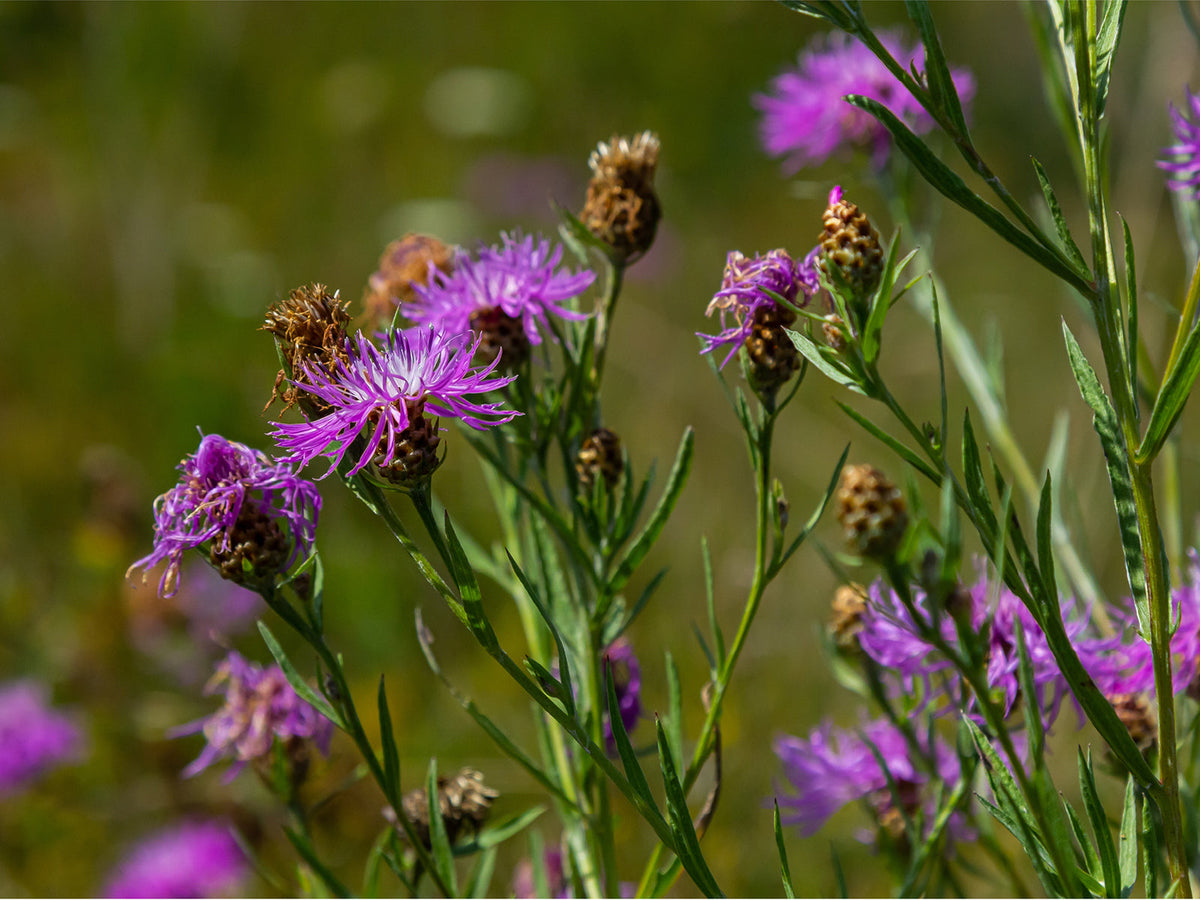
Brownray knapweed (Centaurea jacea)
Brown knapweed is considered unproblematic for horses in normal amounts and can be a component of species-rich meadows and hay.

White clover (Trifolium repens)
White clover can be part of a horse pasture, but due to its high nutrient content, it should not dominate the vegetation.
Share:
Milk thistle (Silybum marianum)
Field horsetail (Equisetum arvense)