
| Term | Chamomile |
| Category | Herbs |
| Definition | Chamomile is a traditional medicinal plant known primarily for its soothing, antispasmodic, and anti-inflammatory properties. In horse feeding, it is particularly used to support the stomach, intestines, and general well-being. |
| Effects & Benefits | Chamomile can have a calming effect on the digestive tract and is therefore frequently used for sensitive stomachs, flatulence, or mild restlessness. Its plant compounds can also support irritated mucous membranes and possess anti-inflammatory properties. |
| Usage | The dried chamomile flowers are usually mixed into the feed. Alternatively, chamomile can be steeped in hot water and, after cooling, fed together with the infusion. Hard boiling is not necessary. |
| Fresh or dried? | For targeted feeding, dried chamomile flowers are predominantly used as they are easy to store and dose. Fresh true chamomile can generally also be used, but it should be reliably identified and cleanly harvested. |
| Important to know | Chamomile should not be confused with similar-looking plants. Caution is advised if there are known allergies to Asteraceae plants. More severe or persistent digestive complaints should always be clarified by a veterinarian. |
| Related terms | Digestion · Stomach · Intestines · Lemon balm · Fennel |
You might also be interested in this
Be inspired and find practical tips on the care, equipment, and health of your horse.

Wild carrot is considered safe for horses, but must be reliably distinguished from poisonous umbellifers like hemlock.
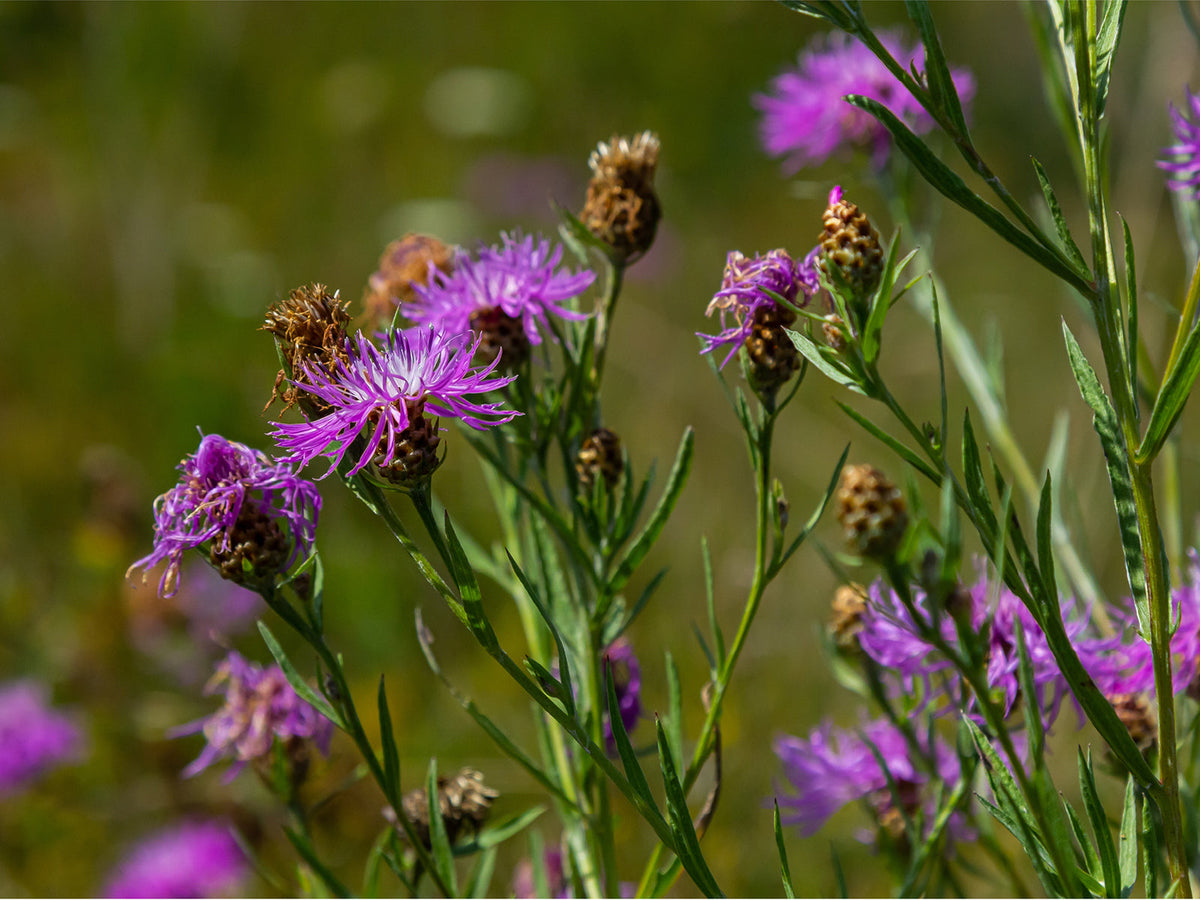
Brownray knapweed (Centaurea jacea)
Brown knapweed is considered unproblematic for horses in normal amounts and can be a component of species-rich meadows and hay.

White clover (Trifolium repens)
White clover can be part of a horse pasture, but due to its high nutrient content, it should not dominate the vegetation.
Share:
Rose hip (Rosa canina)
Devil's Claw (Harpagophytum procumbens)