
| Term | Devil's Claw |
| Category | Herbs |
| Definition | Devil's claw is a medicinal plant native to southern Africa. It is primarily the dried storage roots that are used. In horse feeding, it is used especially to support joints, mobility, and the musculoskeletal system. |
| Effects & Benefits | The bitter substances it contains, especially harpagoside, are associated with anti-inflammatory and pain-relieving properties. Devil's claw is therefore often used in older horses or for stressed joints to support mobility. |
| Application | Devil's claw is usually fed dried, ground, or as a standardized dietary supplement and mixed into the regular feed. Boiling is generally not necessary. The dosage should be based on the respective product. |
| Fresh or dried? | In horse feeding, devil's claw is used almost exclusively in dried or processed form. The fresh plant does not play a common role as feed. |
| Important to know | Devil's claw is not suitable for every horse. In cases of sensitive stomachs, gastric ulcers, pregnant mares, or concurrent medication, use should be clarified with a veterinarian beforehand. In tournament sports, the respective applicable doping and withdrawal regulations must also be observed. |
| Related terms | Joints · Osteoarthritis · Mobility · Inflammation · Senior horse |
You might also be interested in this
Be inspired and find practical tips on the care, equipment, and health of your horse.

Wild carrot is considered safe for horses, but must be reliably distinguished from poisonous umbellifers like hemlock.
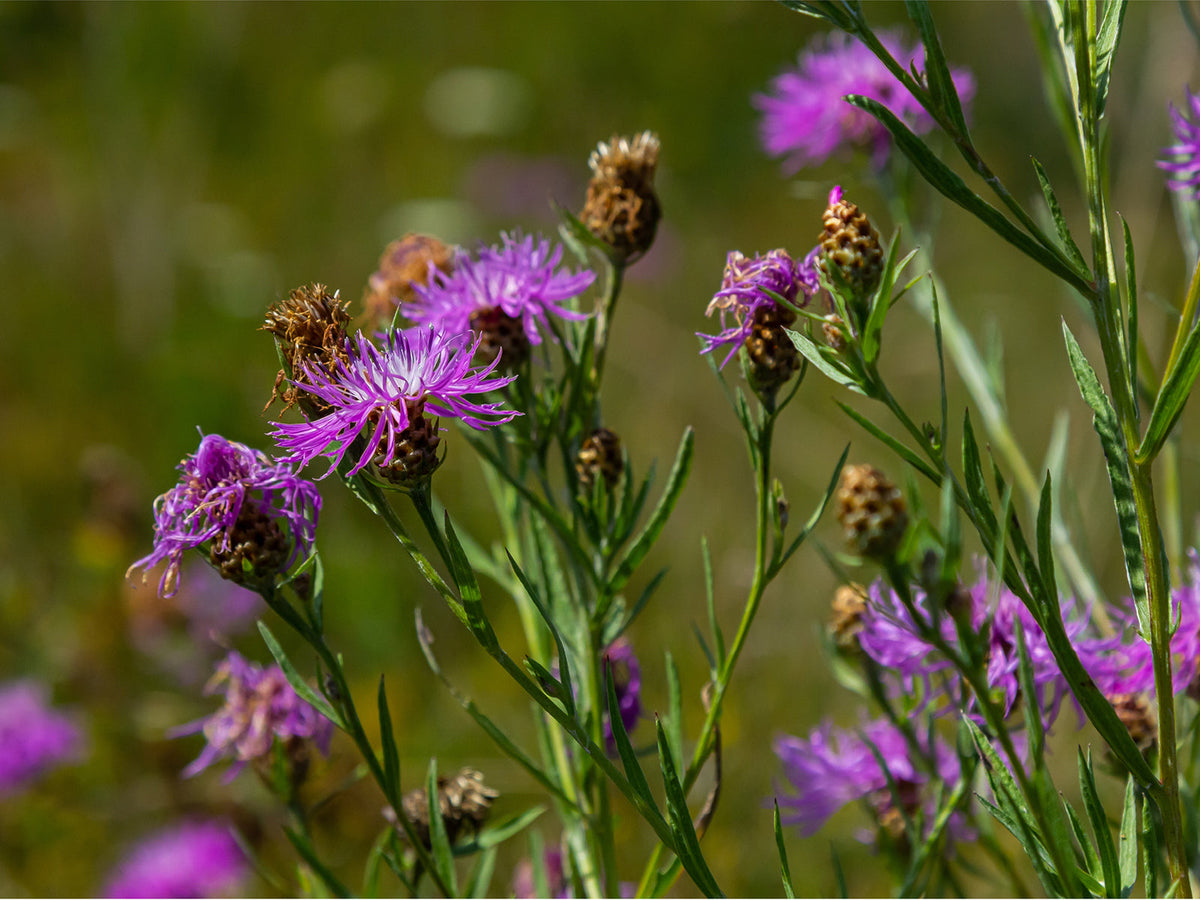
Brownray knapweed (Centaurea jacea)
Brown knapweed is considered unproblematic for horses in normal amounts and can be a component of species-rich meadows and hay.

White clover (Trifolium repens)
White clover can be part of a horse pasture, but due to its high nutrient content, it should not dominate the vegetation.
Share:
Chamomile (Matricaria chamomilla)
Horsetail (Equisetum arvense)